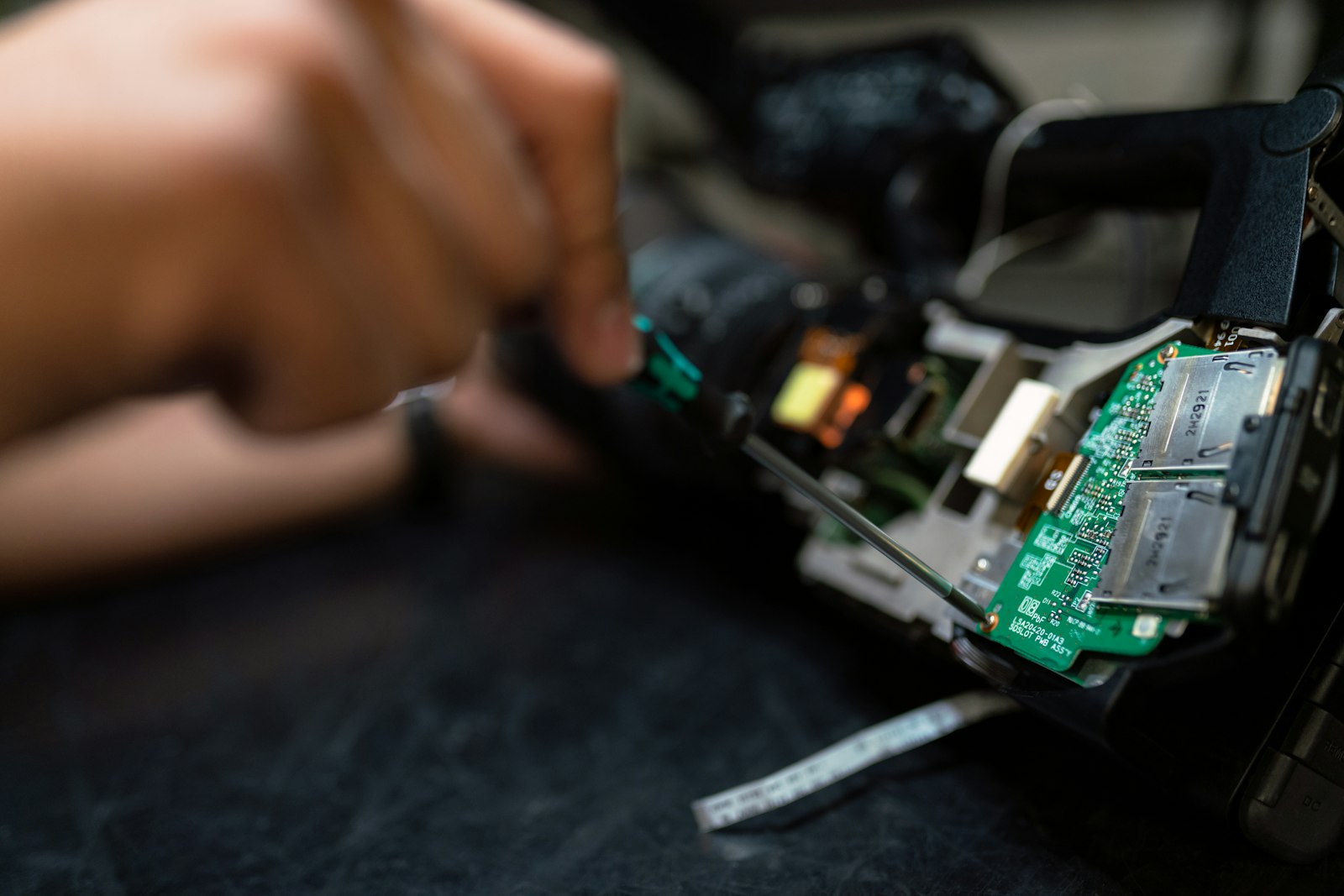
Low-Voltage (48 V) vs. High-Voltage Solar Batteries: Current, Protection, and Compatibility
Compare 48V low-voltage and 150-500V high-voltage solar batteries on DC current, IEC 61140 safety limits, busbars, DC breakers, and inverter compatibility.
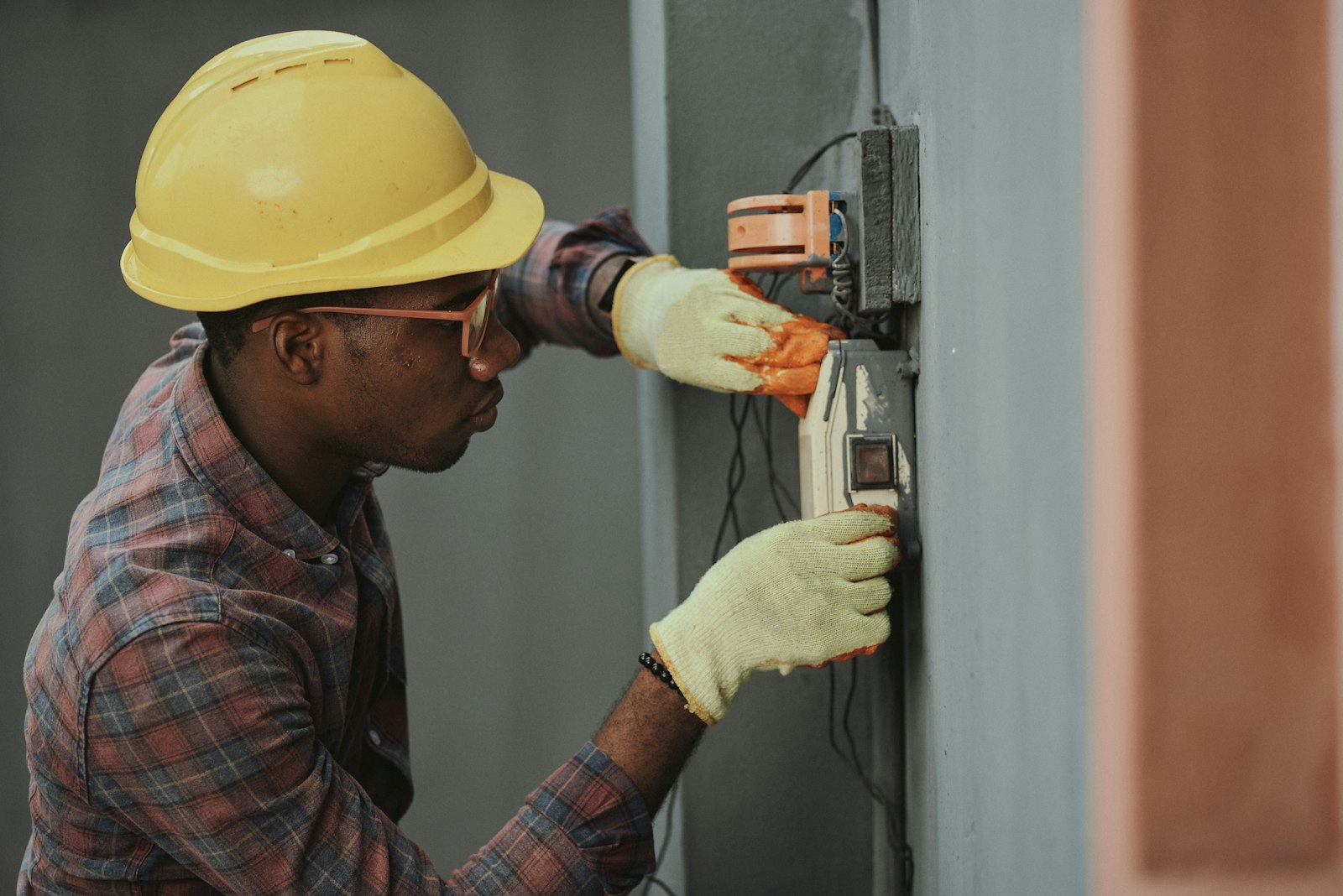
Tools for Solar Inverter Installation: Safety Ratings, Crimping, and Commissioning Gear
Essential tools for solar inverter installation: IEC 60900 insulated hand tools, CAT III/IV meters, matched crimpers, torque drivers, and commissioning tests.
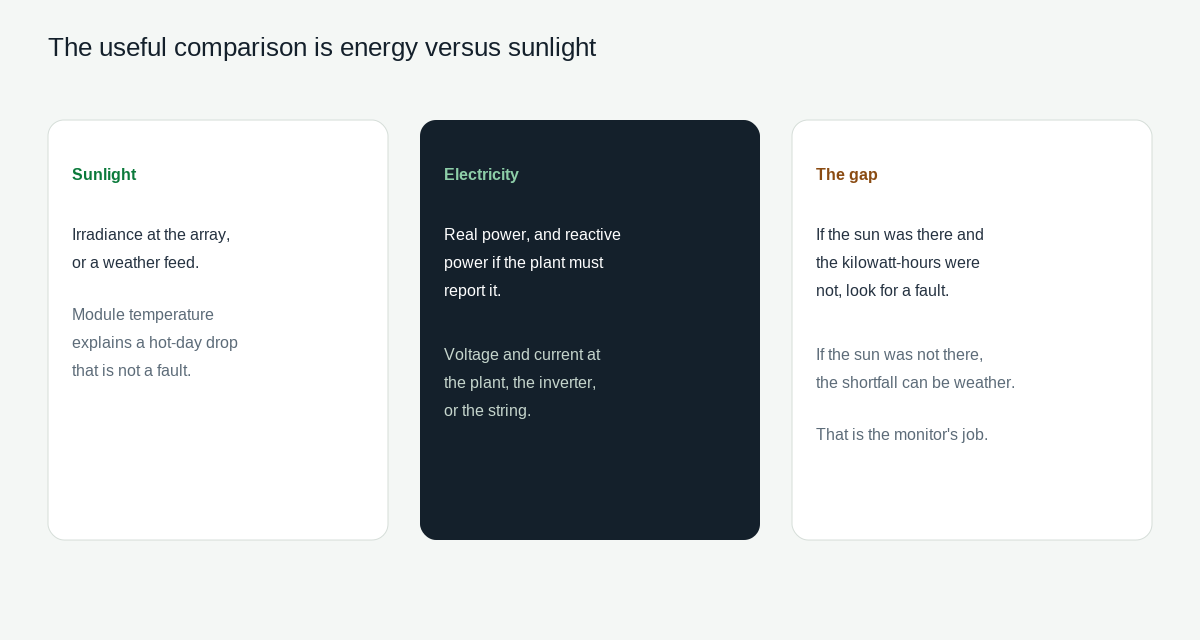
What Is a Solar Monitoring System? How It Works
How grid-tied solar monitoring systems track kW/kWh output, irradiance, Performance Ratio, and fault alarms under US DOE FEMP and NREL O&M guidelines.
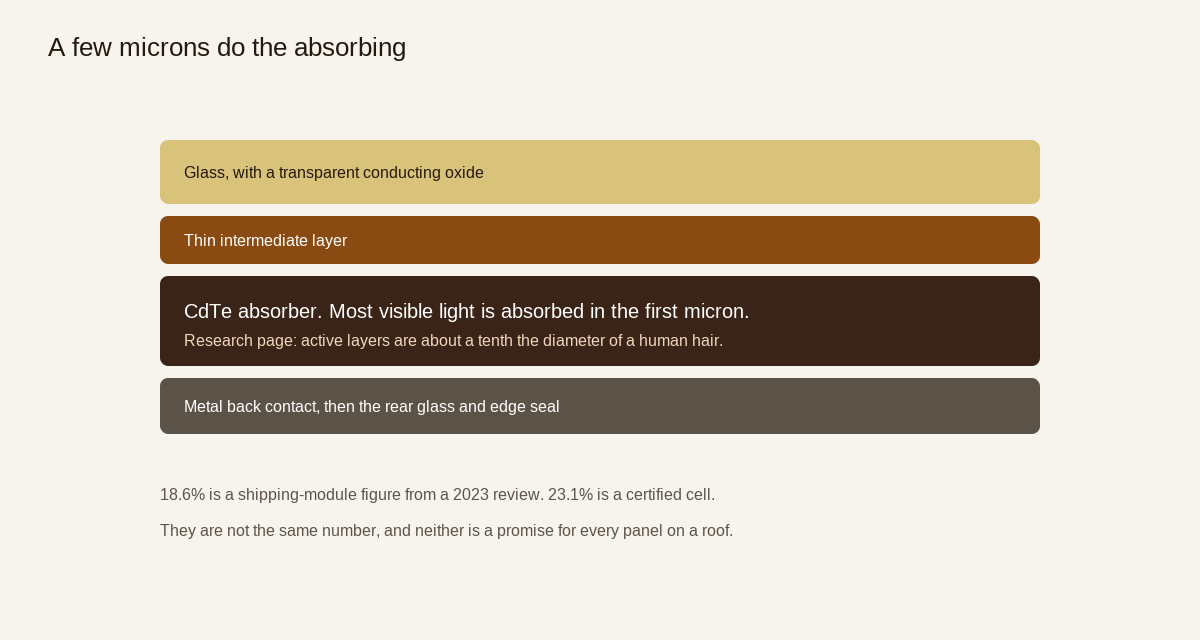
What Are Cadmium Telluride Solar Cells?
Learn how cadmium telluride (CdTe) thin-film solar cells work, how 23.1% lab cells differ from 18.6% commercial modules, and how EPA end-of-life rules apply.
How to Recycle a Solar Panel
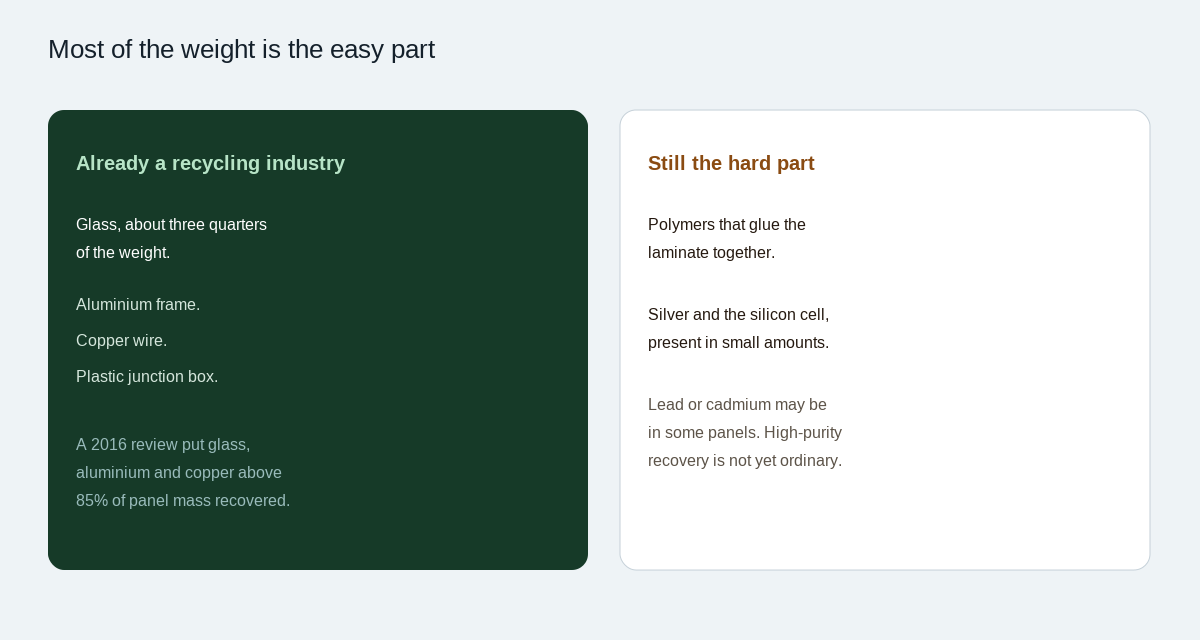
How solar panels are recycled: bulk glass, aluminum, and copper recovery (>85% mass), silver/silicon purification, and EU WEEE vs. US EPA RCRA waste rules.
Photovoltaic Power Station Maintenance
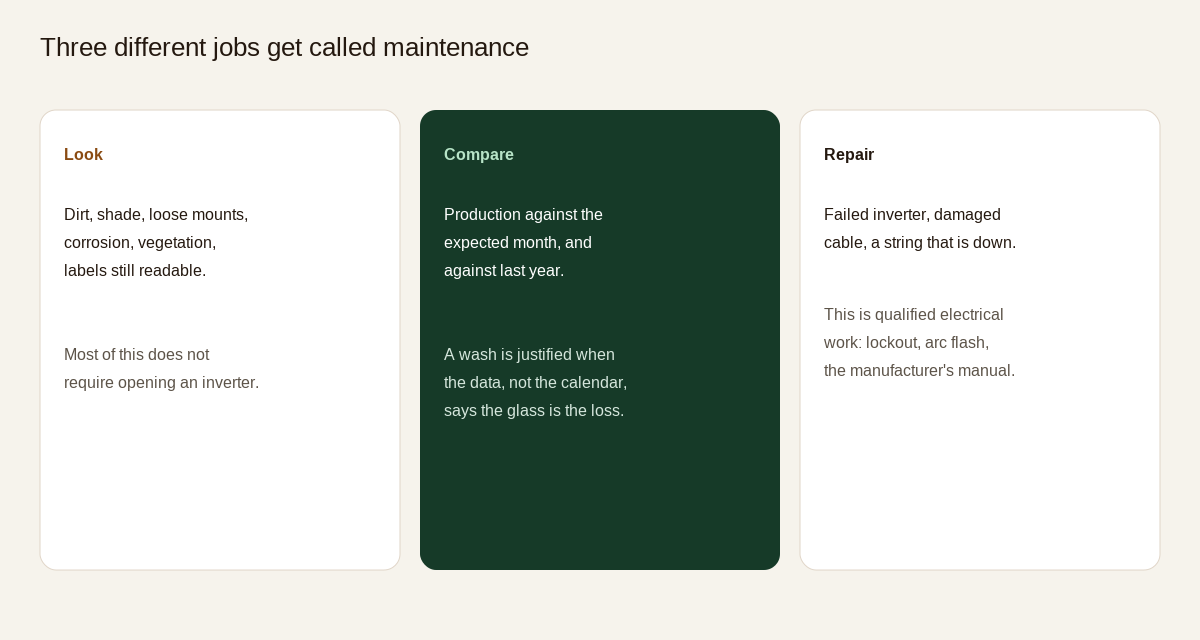
Photovoltaic power station maintenance guide: NREL's 4 O&M categories, climate-based cleaning intervals, PNNL inspection checks, and qualified safety logs.
What Is Heterojunction Solar? How It Works
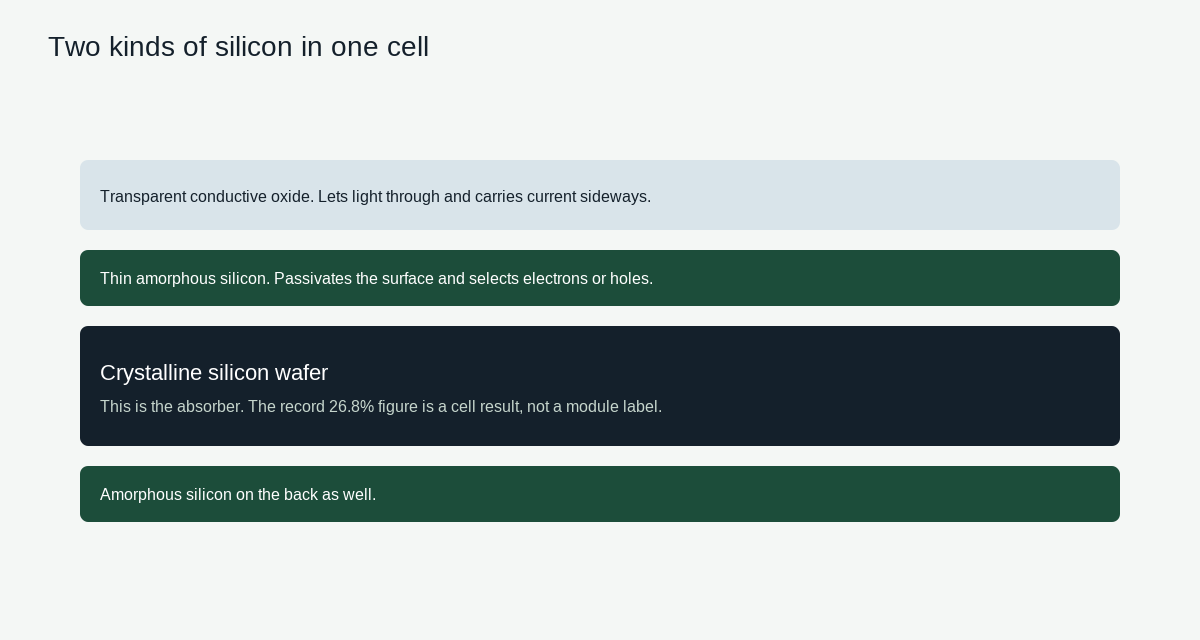
How silicon heterojunction (HJT / SHJ) solar cells passivate wafers with amorphous silicon, why 26.8% is a lab cell record, and how low heat loss works.

Solar on a Working Fish Pond
Guide to fishery-solar hybrid (aquavoltaic) systems: pile-mounted vs. floating PV arrays, pre-dawn pond aeration loads, and dissolved oxygen management.
What Off-Grid Solar Monitoring Has to Show
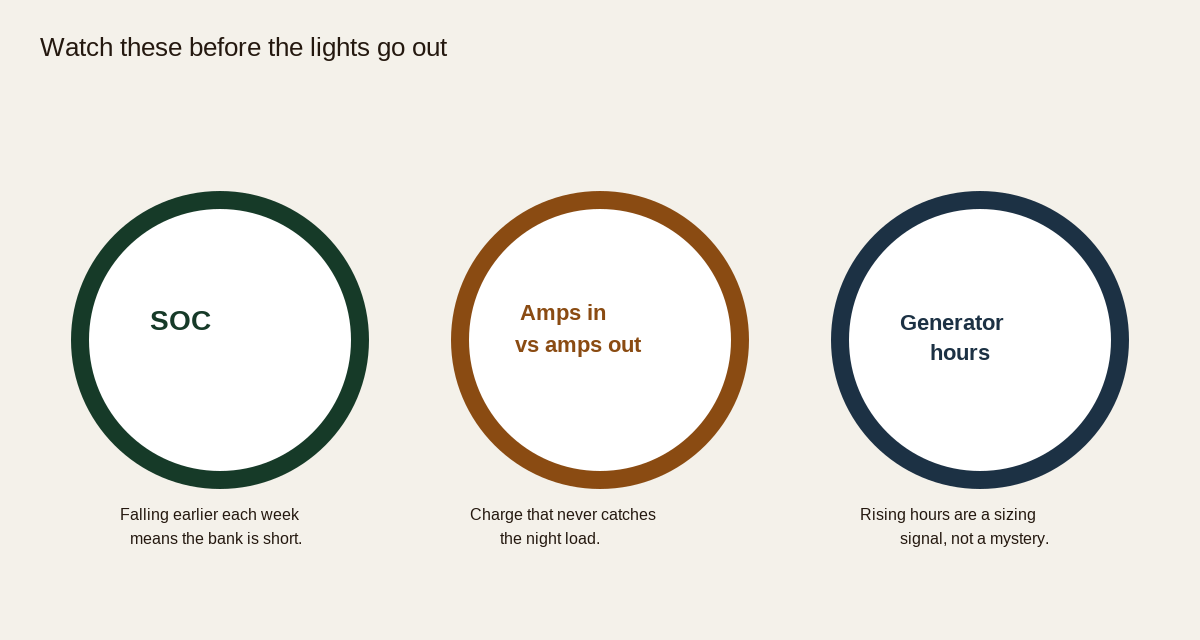
What an off-grid solar monitoring system must track: shunt/BMS dusk state of charge, PV vs. load amp-hours, backup generator runtime, and local data logging.
Living Off Grid with Solar Storage Through the Worst Month
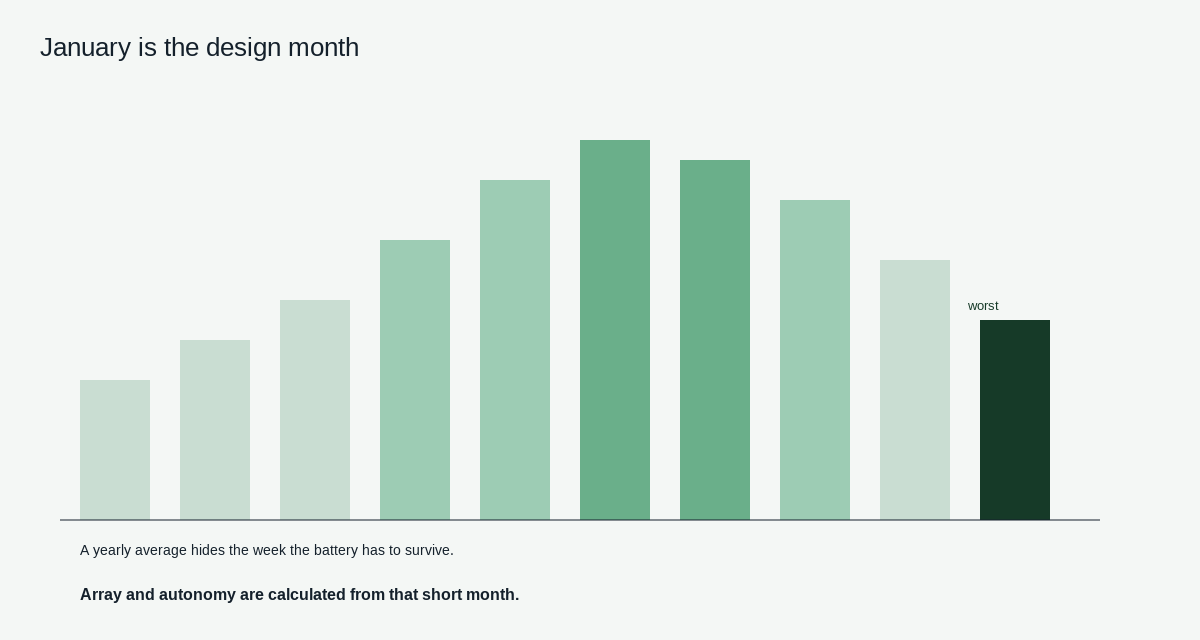
How to size an off-grid solar and battery storage system around the worst insolation month, with a hypothetical 2.4 kWh/day calculation and autonomy rules.

Independent Photovoltaic Systems, Classified by the Load
Sort an off-grid system by when the load wants power: a noon pump, a night clinic, or daytime machines. A generator is a component, not an afterthought.
What a Solar Street Light Controller Does at Night
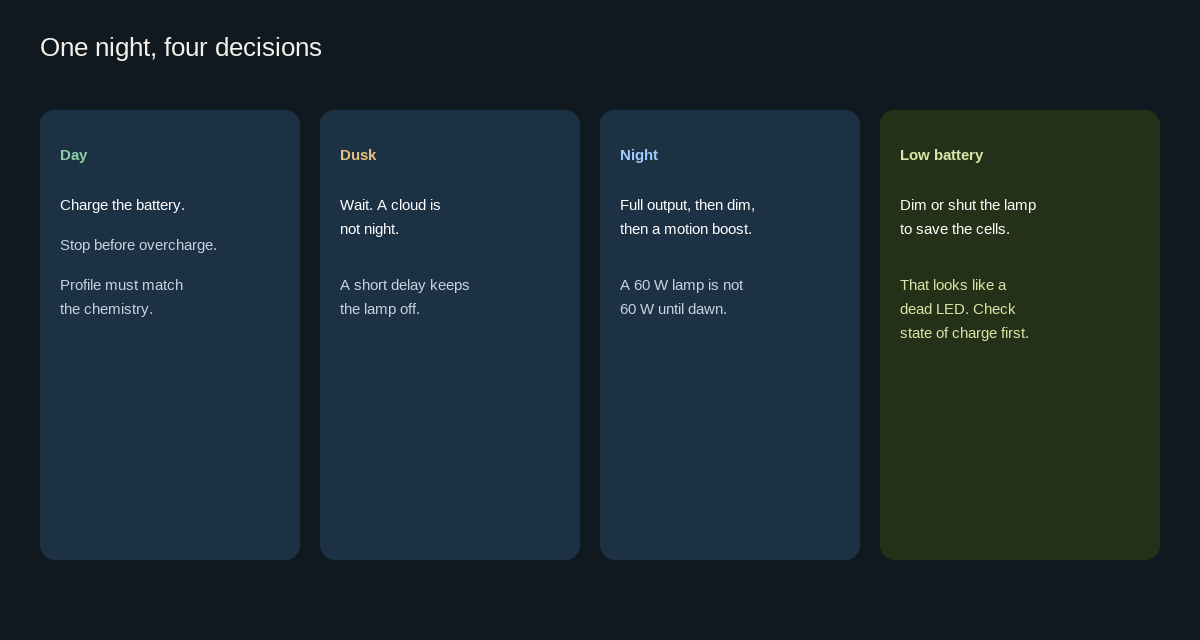
The controller charges by day, waits through clouds at dusk, then dims on a schedule. A lamp that fades at night is often saving a low battery, not a dead LED.
Where a Distributed Photovoltaic Plant Actually Fits
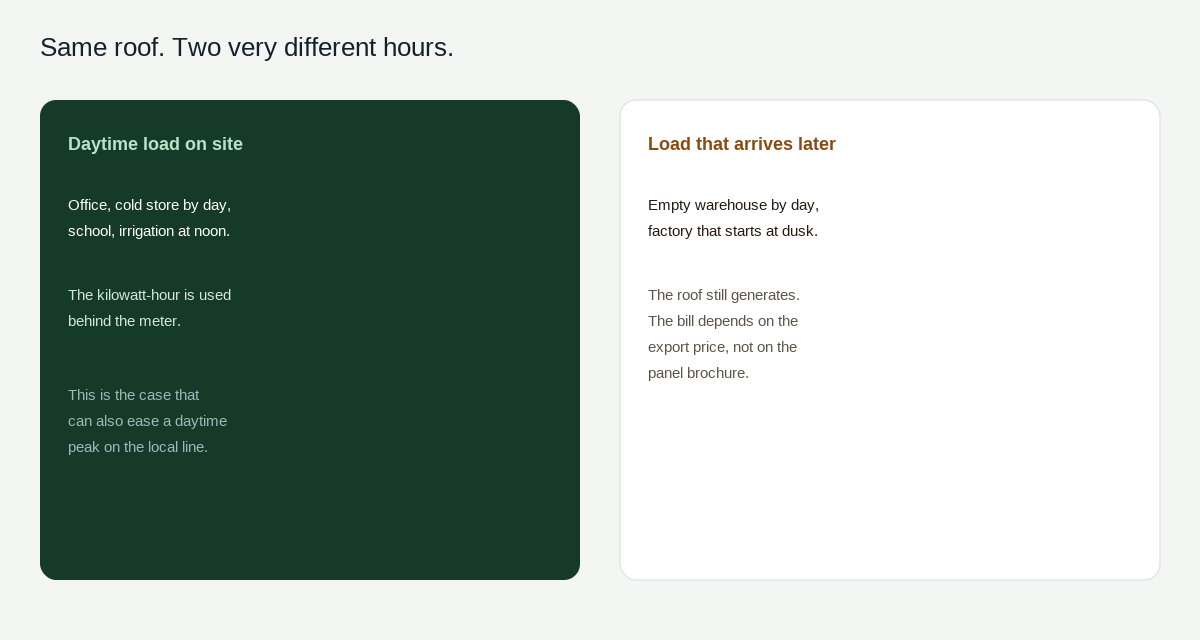
Distributed solar pays when a nearby load uses the power in the same hour. Size is not the definition. A roof over an empty evening building is an export project.

What to Know About Solar Energy Storage
A battery stores electricity and does not make it. Usable kilowatt-hours, delivery power and blackout backup are three separate lines on the quote.
Solar Energy Storage Battery Types: Read the Cell
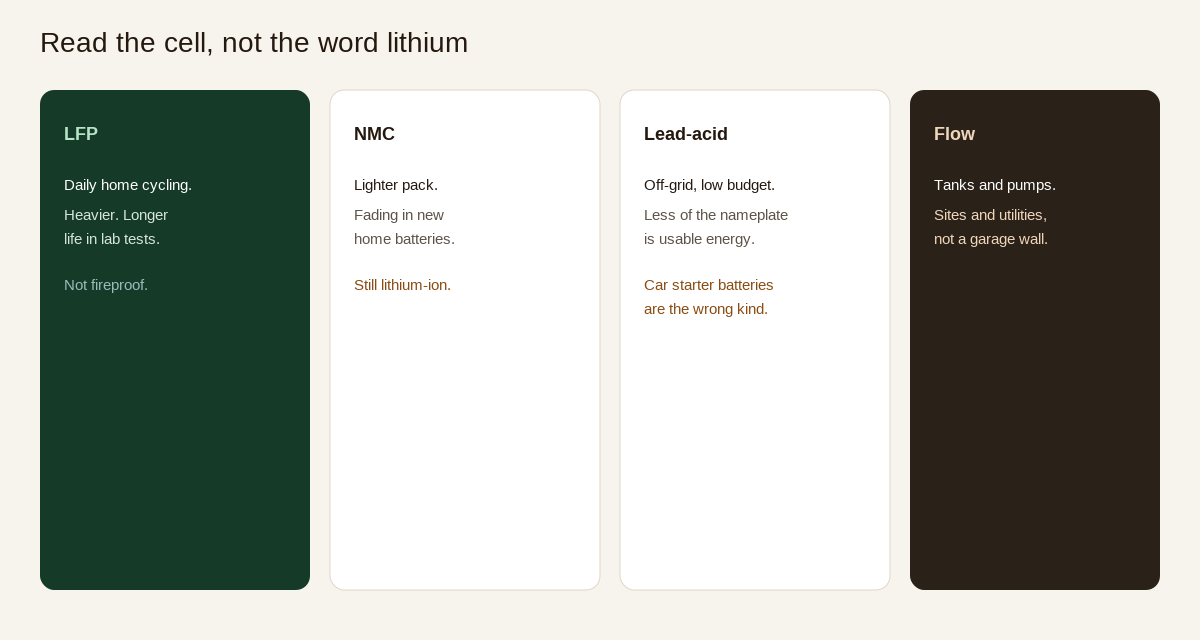
Lithium-ion on a fact sheet can mean LFP or NMC. Lead-acid, flow and sodium-ion are different machines. Warranty cycles are not the same as a lab test.
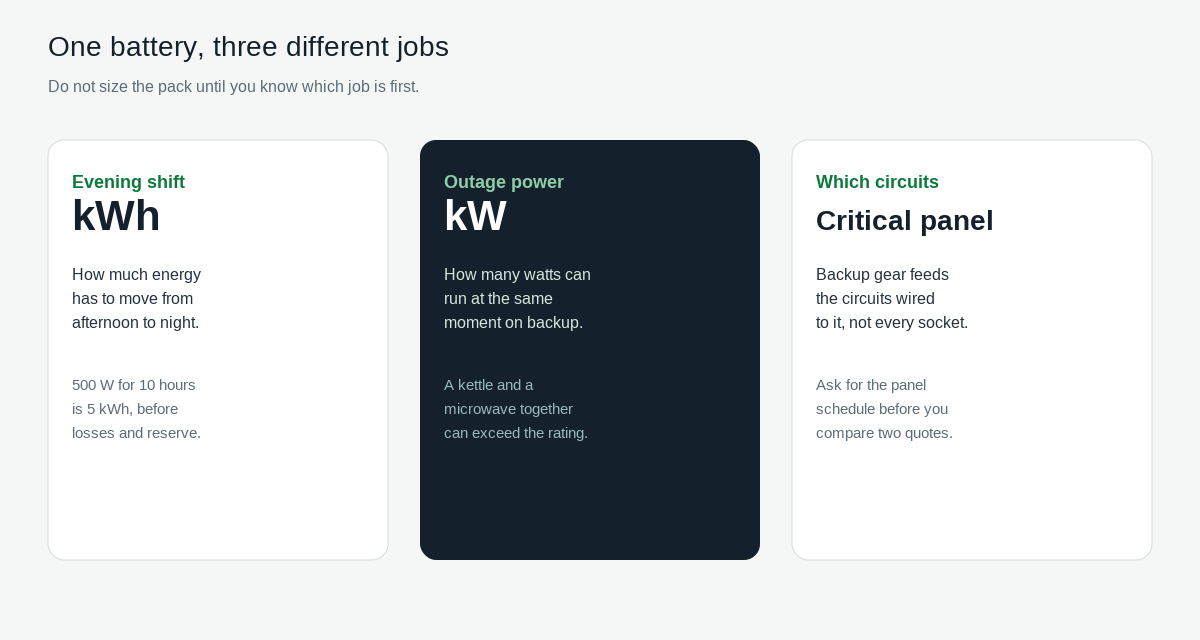
Residential Energy Storage: Decide the Job First
A home battery is either moving solar into the evening or keeping a short list of circuits alive. Those jobs ask for different energy, power and hardware.

What Happens If you Overload a Hybrid Inverter?
The inverter disconnects the extra load on a timer that depends on the model. In backup mode those circuits go dark. Remove the load before resetting.

Should I Turn My Hybrid Inverter Off at Night?
No. At night the panels are already idle. The hybrid may be delivering stored energy or holding backup. Off saves only standby watts.