
Solar Cable and the Breaker: Match the Manual, Not a Forum Chart
A solar cable and its breaker have to agree on insulation, voltage, current, and the run the manual charts. A connector that clicks only proves the housings mate.

Why an Off-Grid System Can Look Stronger After Dark
After sunset an off-grid display can look better because the load is lighter or the figure is battery voltage. Solar production in the dark is zero.
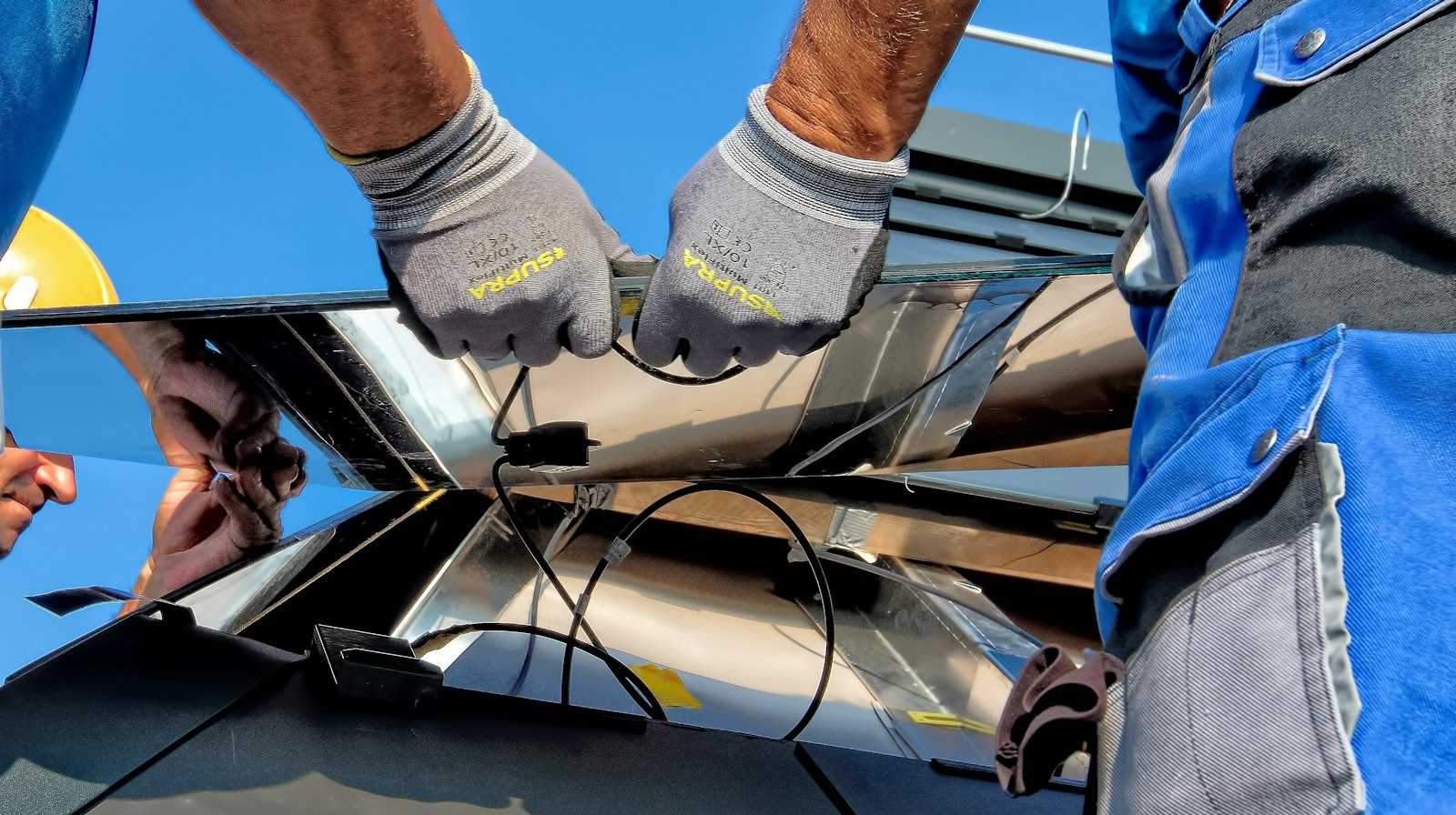
Signs a Solar Inverter Is Failing, Not Just the Weather
A fan that should be turning, a fault that returns after a cool-down, a burning smell, or an error a restart will not clear needs a qualified person. Leave the cover on.

Heat, Altitude, and Inverter Derating: Read the Curve You Were Given
Inverter output falls when the box is hot and when the air is thin. The percent and the breakpoint live in that manual, and they do not copy onto the next model.
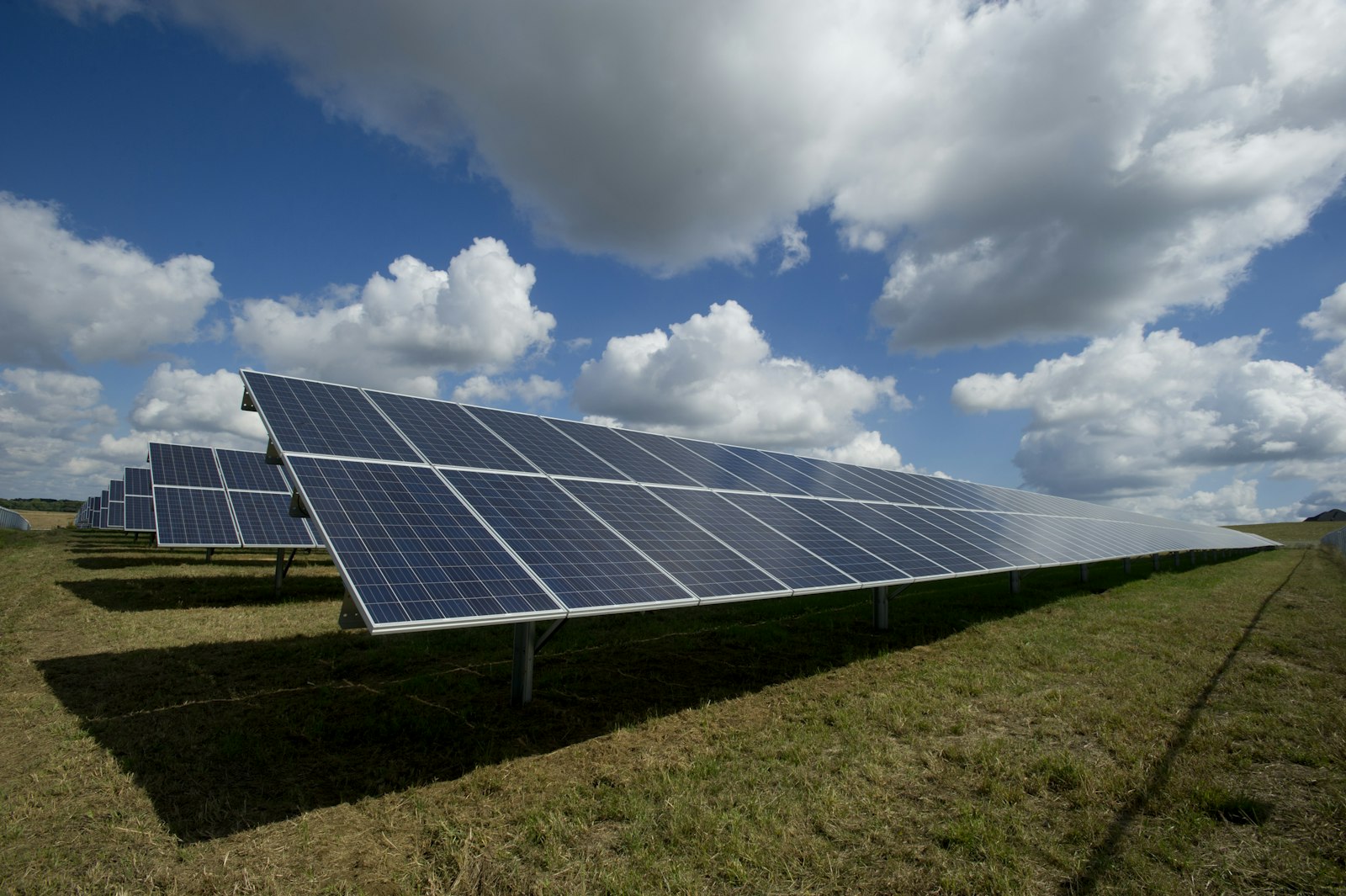
What a Solar Inverter Installation Has to Include Before Anyone Energizes It
Energize an inverter only after the listing, the disconnects, the utility interconnection, and any battery link are finished. A lit screen can hide an open item.

What Self-Consumption Changes on a Solar Electric Bill
Self-consumed solar offsets a purchase at the moment it happens. Exported solar is worth whatever the tariff says, which may be less.
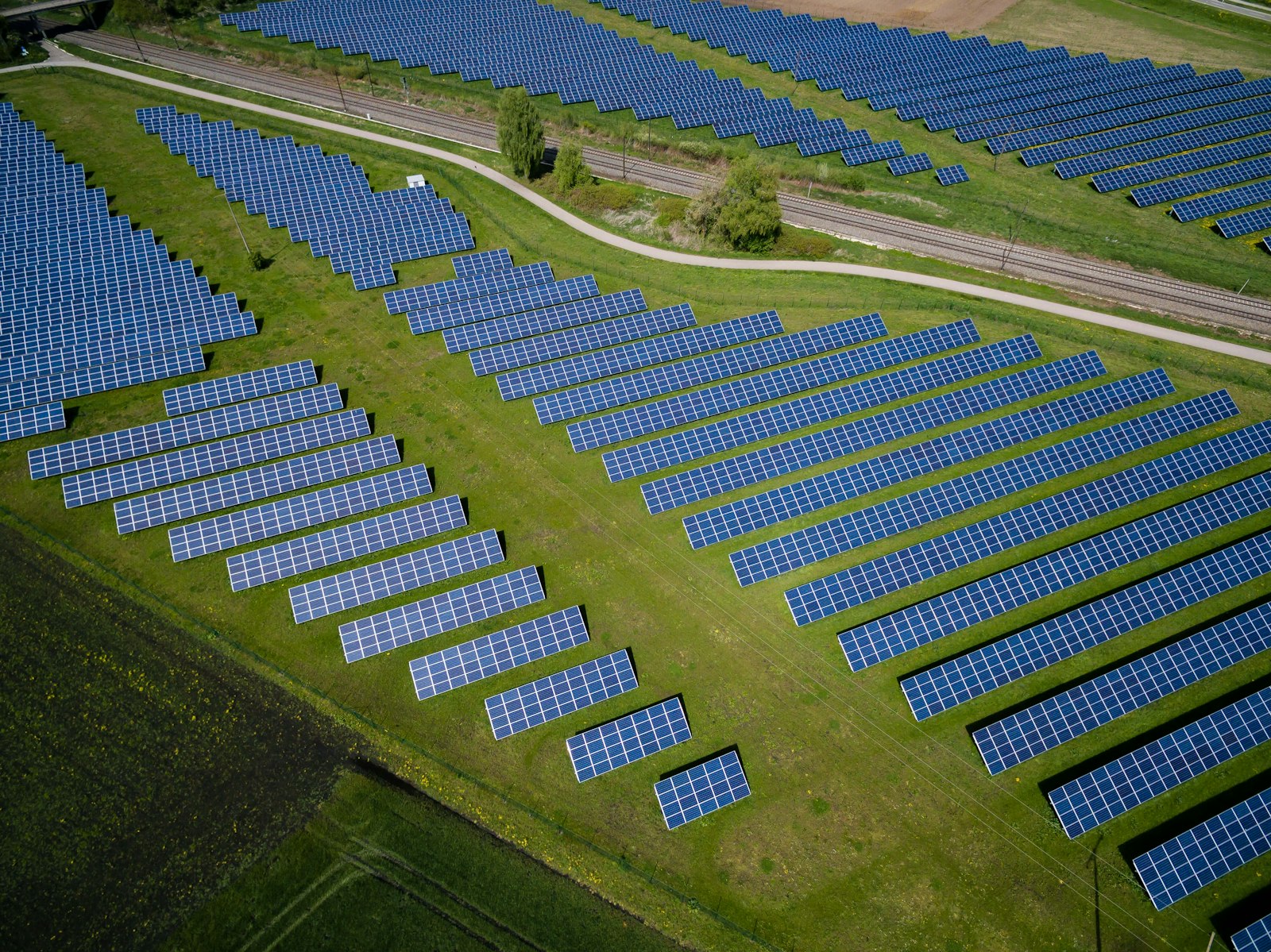
Time-of-Use Rates and a Home Battery: When the Clock Matters
A time-of-use tariff makes the hour matter. A battery helps only when the gap between cheap and expensive hours survives the cost of cycling.
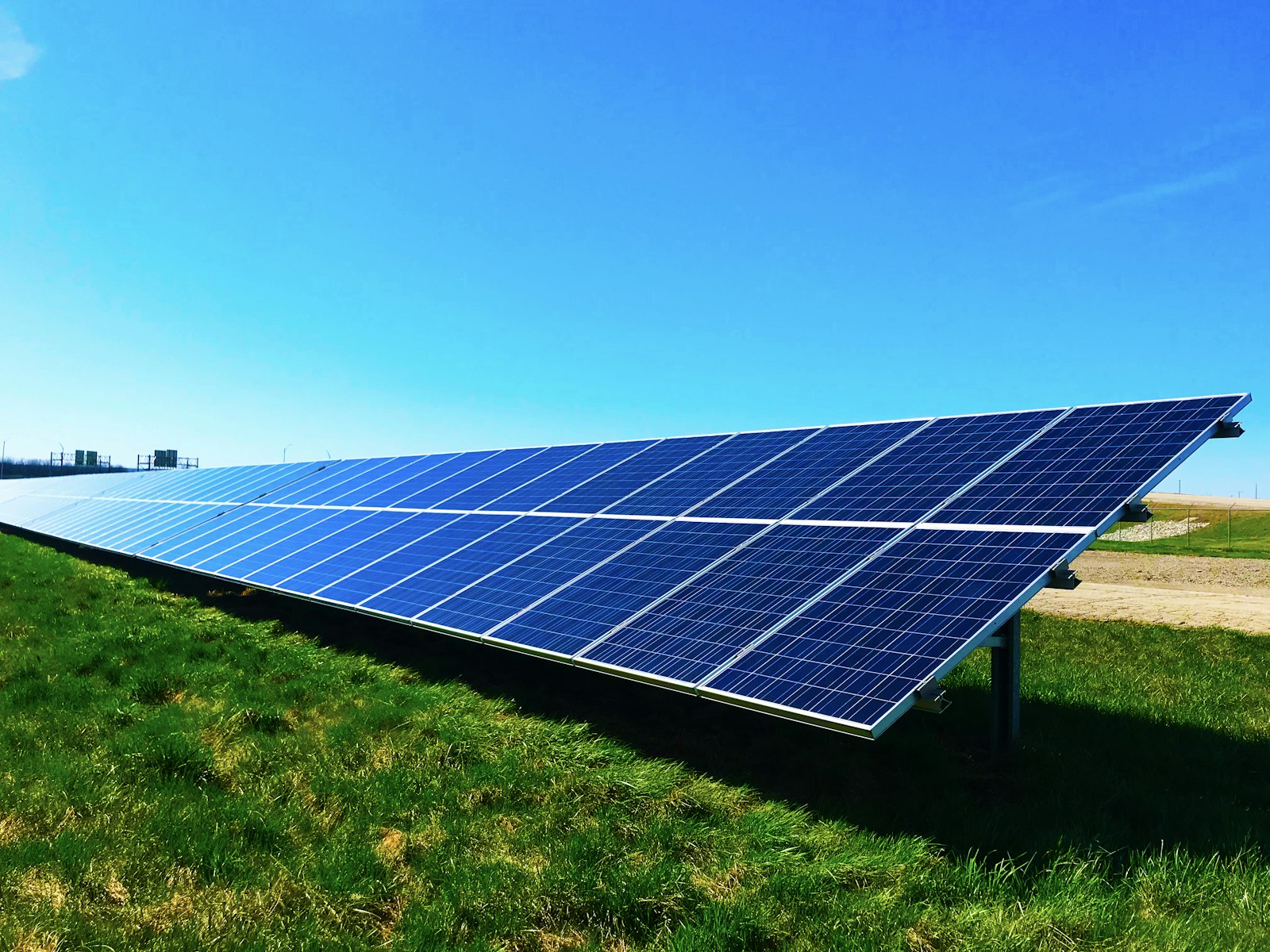
How to Add Up Inverter Loads Before You Trust a Size
Size an inverter from the loads that will run together, and from the motors that start. The module nameplate is a different sum.
DIY or a Professional Solar Installation: Where the Line Is
The line between DIY and a professional is the listing, the utility, and whether the work is live. A connector that clicks is not a license.

When a Solar Street Light Is the Wrong Light for the Road
Choose a solar street light when the post has sun, a known night load, and someone who can service the battery. Shade and a borrowed runtime are the usual reasons it fails.

How to Read a Battery Datasheet: Energy, Power, and the Limits
Read a solar battery sheet in order: voltage window, energy, power, temperature, and the cycle table that matches how deep you will go.
How to Read Solar Inverter Efficiency Without Chasing One Number
Inverter efficiency is a ratio at a stated operating point. A peak number and a weighted number answer different questions.
What Is a Cadmium Telluride Solar Module? How It Differs From Silicon
Cadmium telluride is a thin-film semiconductor. The module does not follow crystalline silicon rules for voltage, looks, or end of life.
How Solar Panels Are Recycled, and Who May Handle Them
Recycling a solar panel means taking apart a laminated module. The frame and glass are the easy fractions. The cells are not household scrap.
What Is a Heterojunction Solar Cell, and What the Name Changes
A heterojunction cell is a crystalline wafer with thin amorphous silicon on both faces. The name tells you the structure, not the watts on the pallet.