
Commercial Solar Panel Applications
Commercial solar depends on the load. A day-shift factory overlaps the sun. A cold store does not, unless storage or pre-cooling was designed.

Why Solar Production Falls Short of the Estimate
Low solar production is a comparison against an estimate, not an instant inverter failure. Weather, soiling, shade, and clipping come before a replacement.
Can Solar Panels Run a House During a Power Outage?
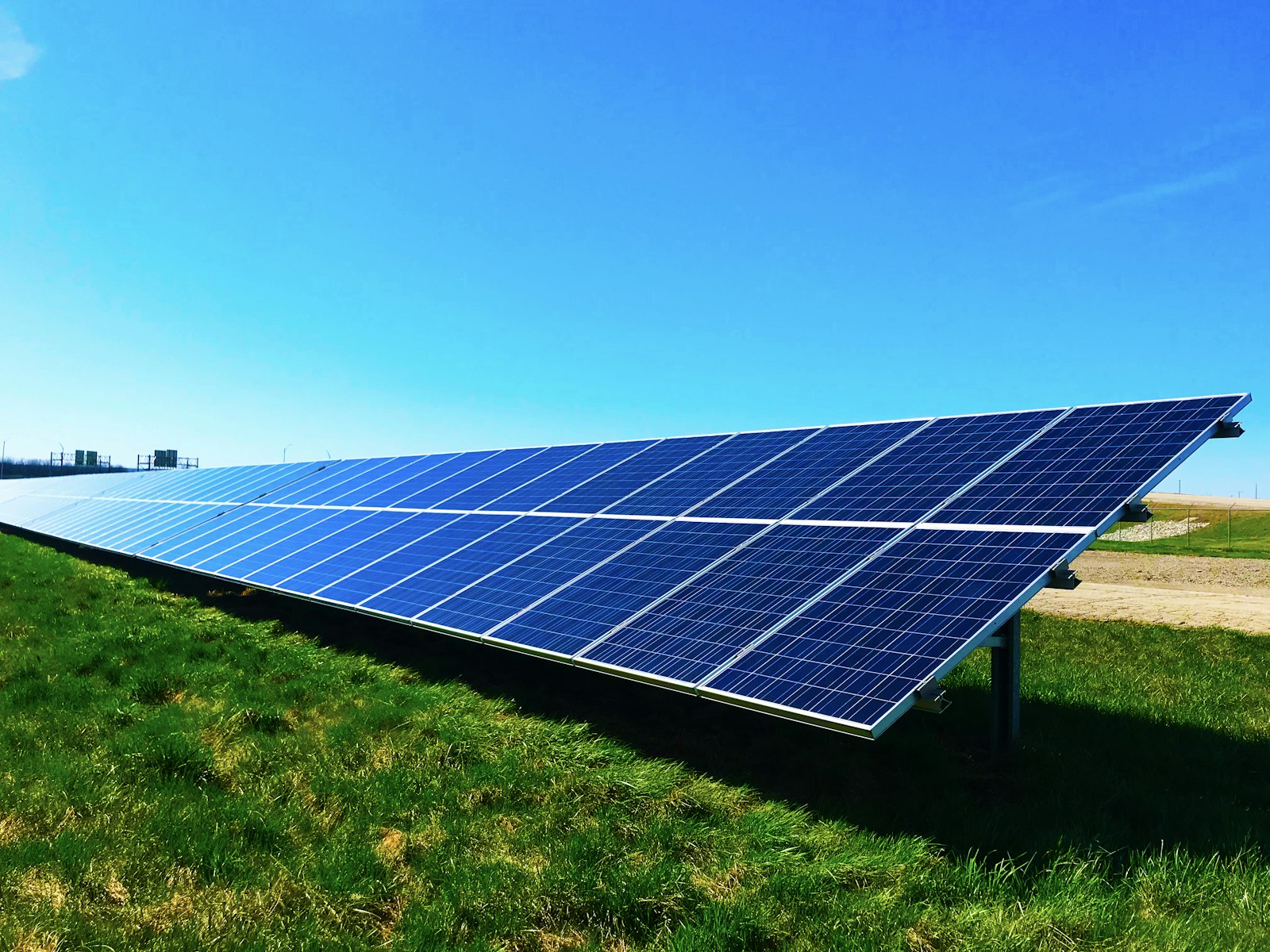
Ordinary grid-tied panels stop when the utility fails. The array can still be in the sun. The house stays dark unless backup was designed in.

Solar Power for Agriculture
Solar power for agriculture is a set of loads. A tank pump, a cold store, and a day-shift shop do not share one design. Size the load that must run.

Solar Panels for an RV
Solar panels for an RV offset energy the house battery would take from shore power or the alternator. Size them from your loads, not another van.
Can a Solar Inverter Run 24 Hours a Day?
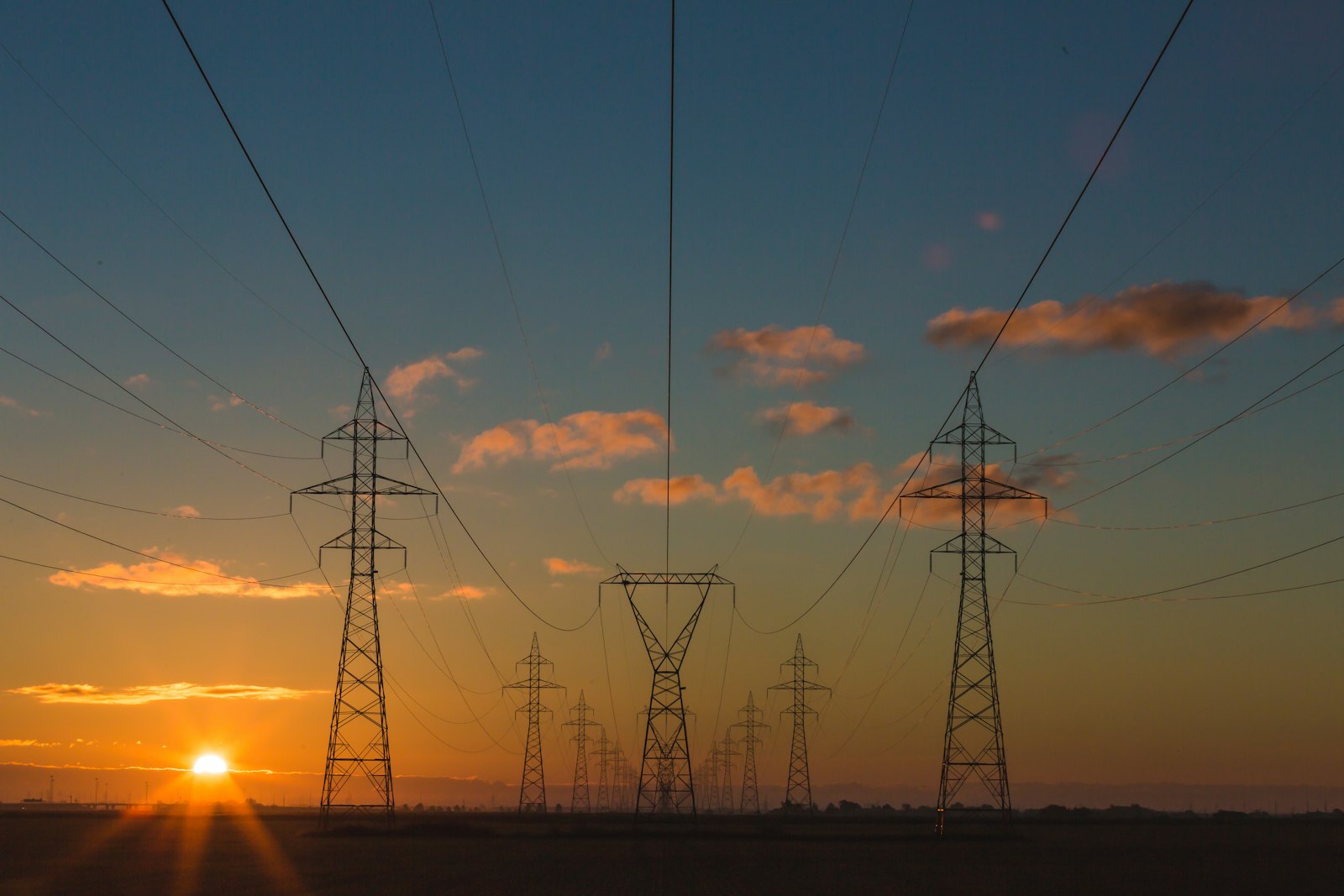
A grid-tied inverter is meant to stay connected. It makes AC while the array supplies DC. After dark it is on standby, not in a 24-hour production rating.
China's Top 10 C&I Energy Storage Suppliers (2026)
Sungrow, Huawei, BYD, HyperStrong, CRRC Zhuzhou, Kehua, HiTHIUM, Gotion, Jinko ESS and Great Power, with certification status and five export checks.
What a Grid-Complementary Solar System Is Asking the Inverter to Do
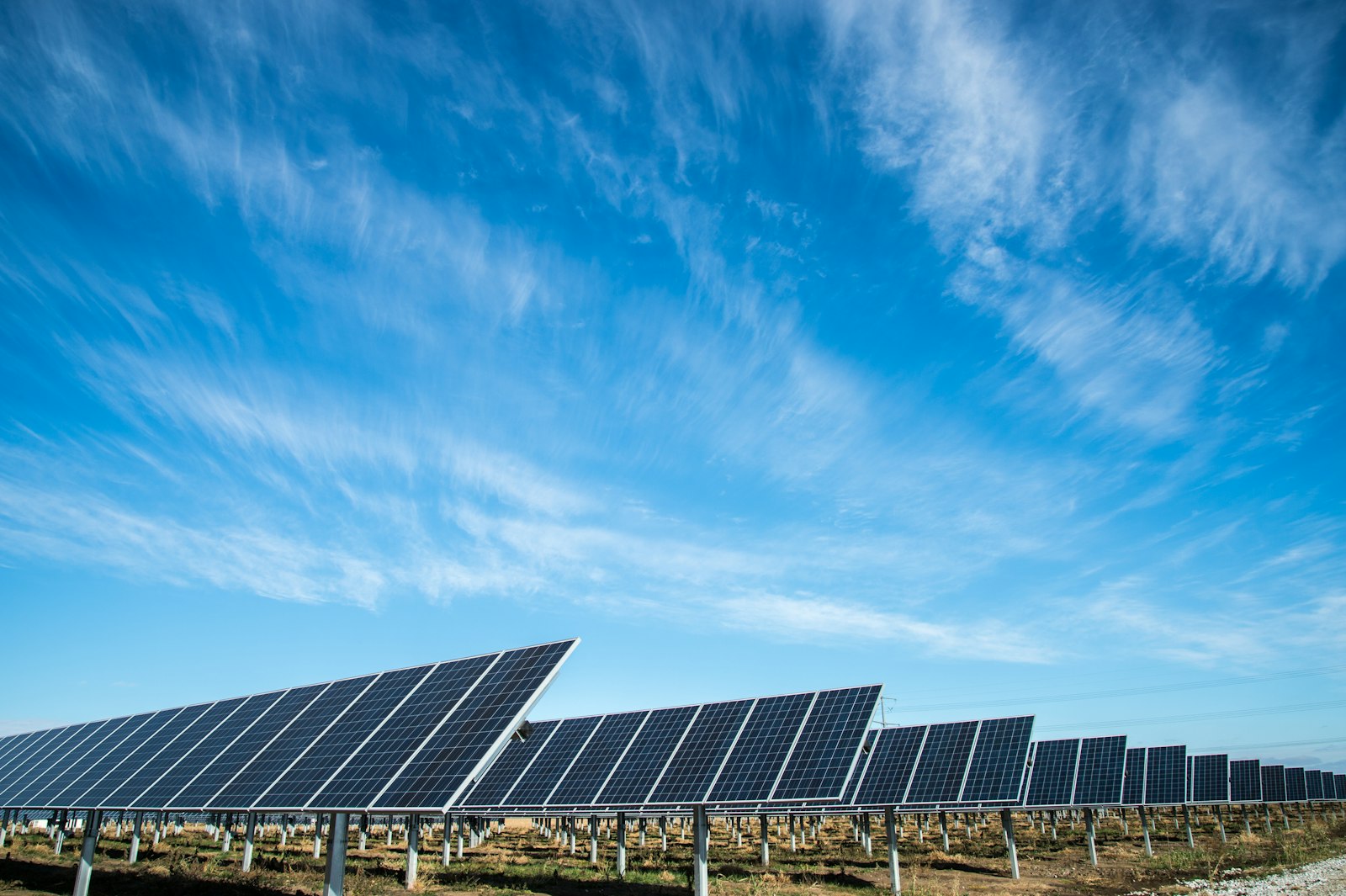
Grid-complementary solar leaves the utility connected so the building still has power when the array falls short. That is a listing, not a spare plug.
Solar Charge Controller Problems
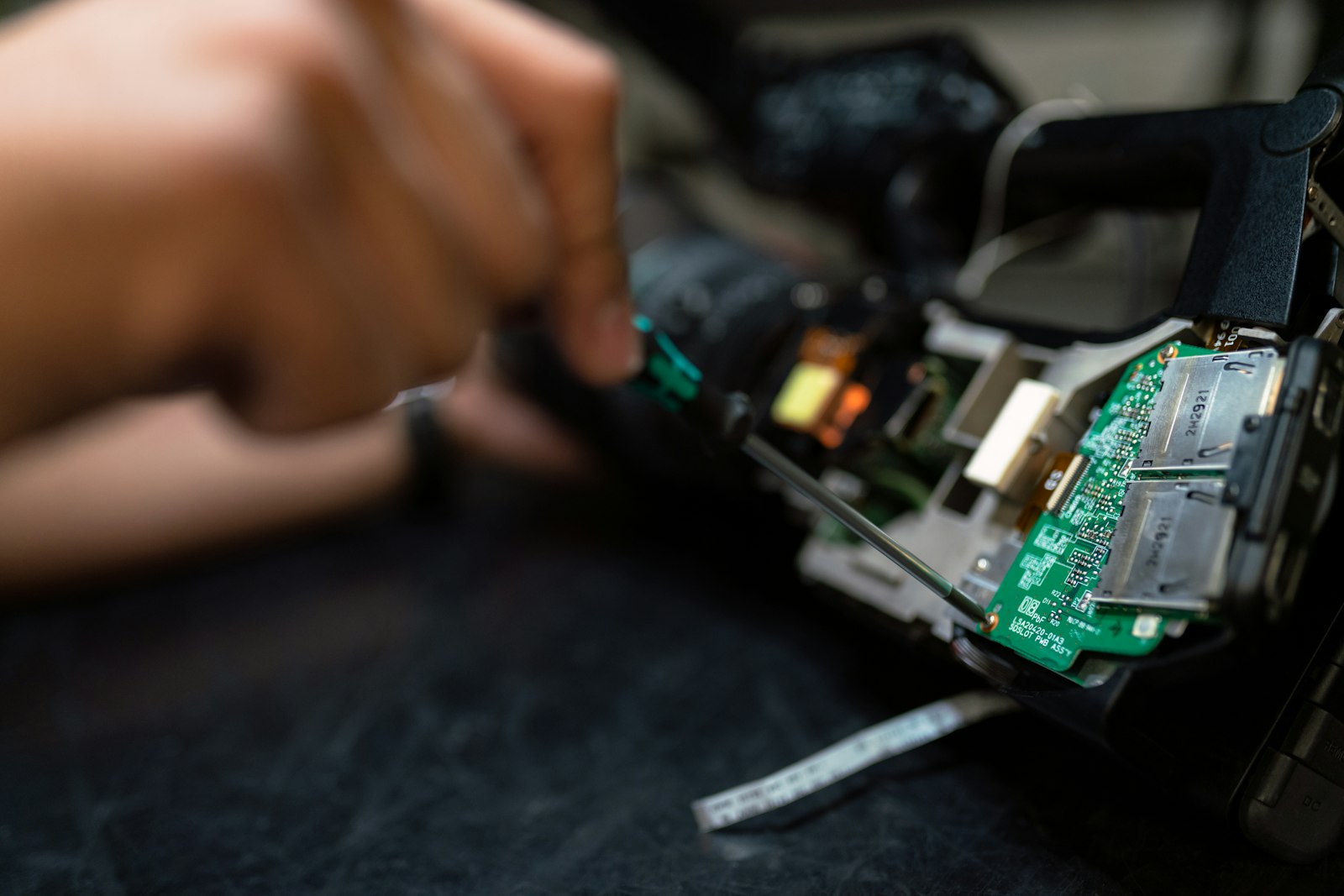
Most solar charge controller problems are a PWM and MPPT mismatch, a wrong battery setpoint, or an array voltage above the label. Here is what to check first.
Grid-Tied vs Off-Grid Solar Systems
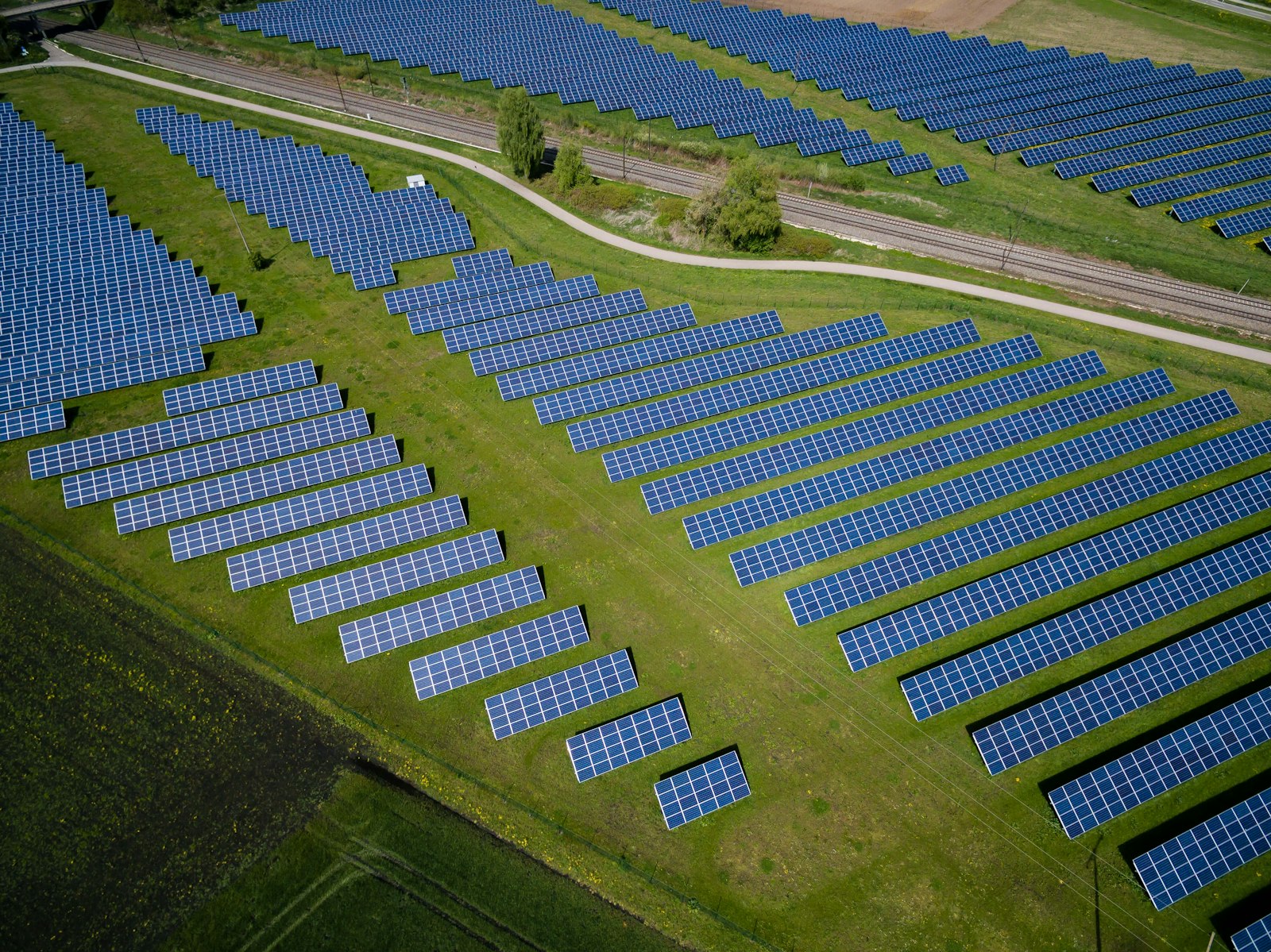
Grid-tied solar follows utility voltage and stops in an outage under IEEE 1547. Standalone off-grid solar forms its own AC grid and relies on battery storage.
When a Home Solar Battery Is Worth Adding
A home battery is worth adding for the bill only when the rate, the usable energy, and the losses leave a gap. Outage cover is a different purchase.
Roof-Mounted vs Ground-Mounted Solar Panels
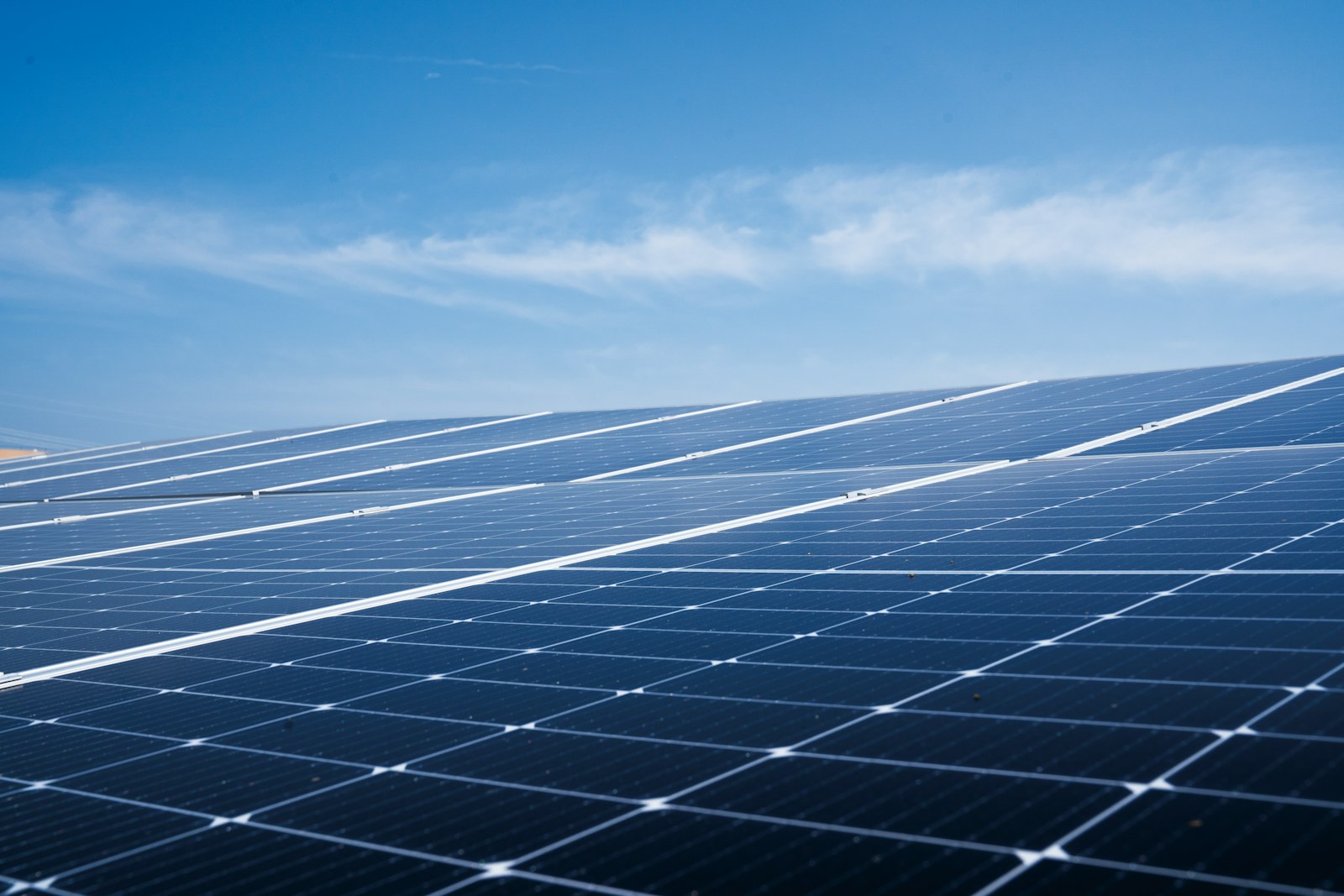
Roof-mounted and ground-mounted solar arrays differ in structural loading, O&M access, and land use. Compare foundation types, penetrations, and bifacial gains.
Lead-Acid or Lithium-Ion: Which Rules Travel to a Solar Battery
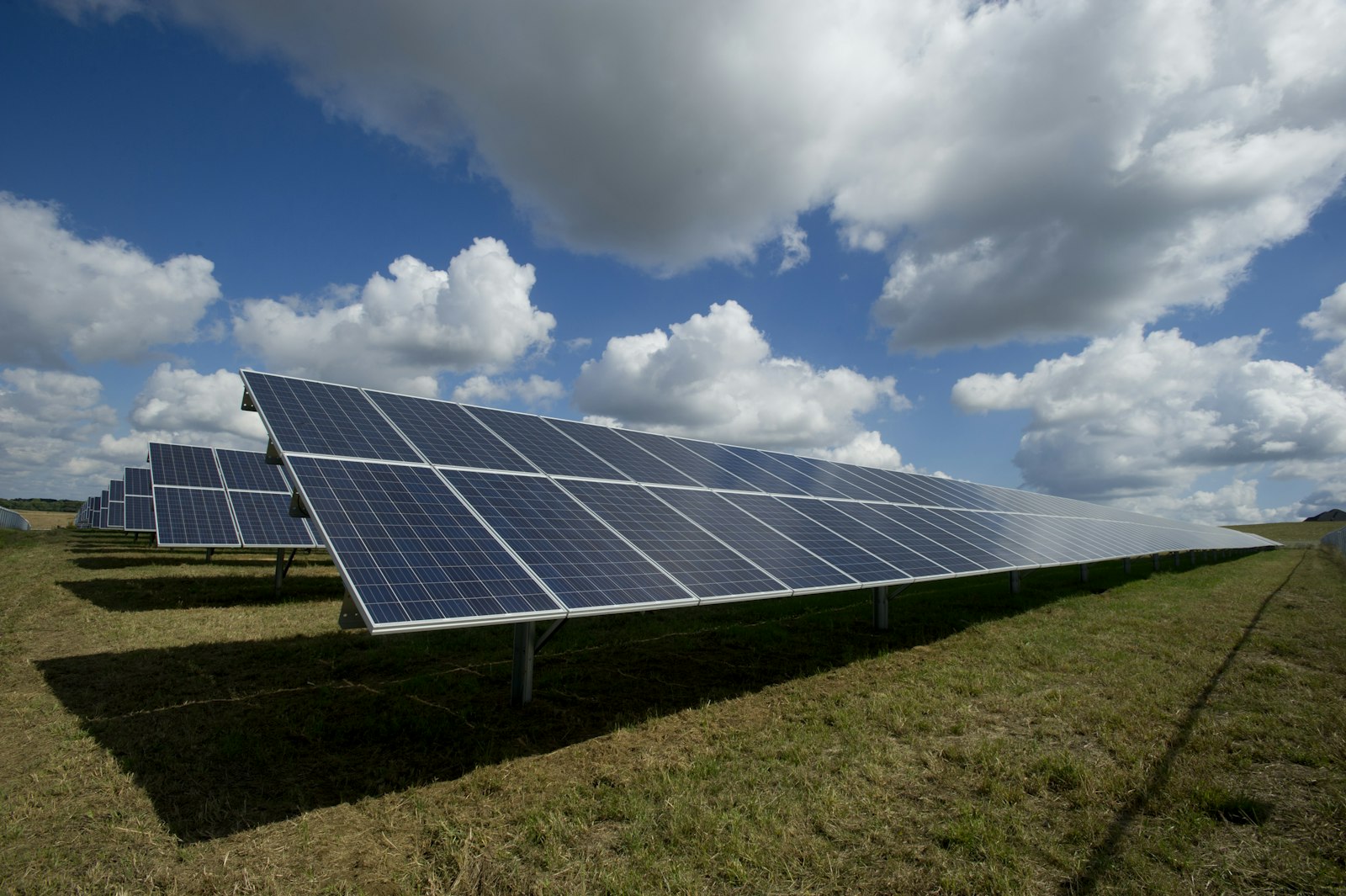
A lead-acid bank and a lithium-ion pack do not share a charge menu. The electrode chemistry decides which lines on the sheet even exist.

Depth of Discharge and Charge Stages: How Far the Battery Can Cycle
Depth of discharge is the fraction of battery capacity you use. The allowed fraction is on the battery sheet. Lead-acid charge stages are not a lithium profile.
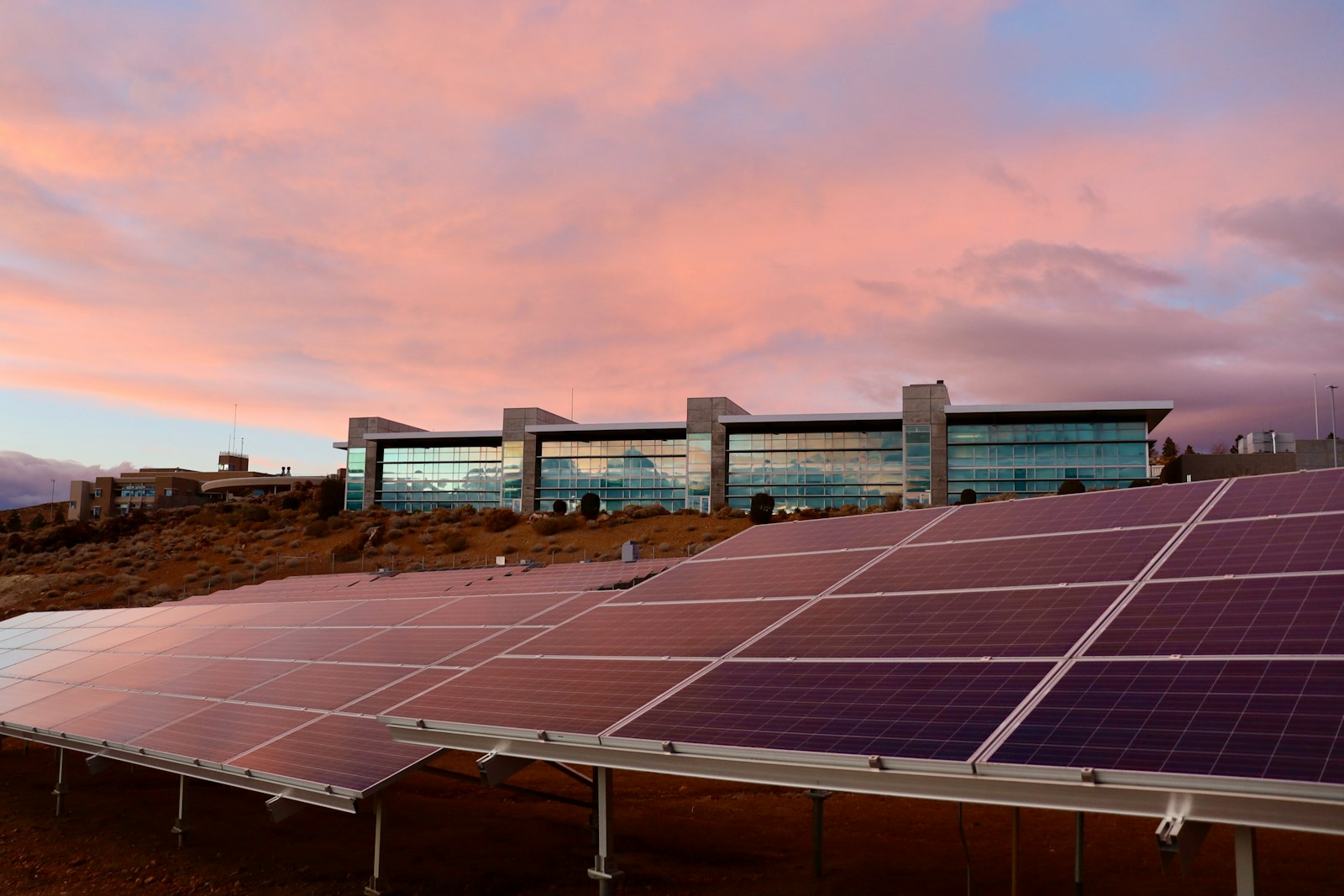
Top 10 Commercial and Industrial ESS Brands Worldwide (2026)
Huawei, Sungrow, BYD, Tesla, e-STORAGE, mtu, Pylontech, AlphaESS, Sigenergy and LG compared on C&I cabinet products, capacity and certification.
Grounding, Bonding, and Surge Protection: Three Different Jobs
Grounding, bonding, and surge protection do different jobs. A ground rod is not a surge device. A surge device does not bond the module frames.

How to Read an Inverter Datasheet: AC Power, DC Window, Battery Limits
An inverter datasheet needs continuous AC power, AC voltage, maximum DC voltage, and the MPPT window. A hybrid also needs the battery window and any surge time.

How to Read a Solar Panel Datasheet: The Lines That Size the String
A solar panel datasheet is nameplate power, voltages, currents, temperature coefficients, and maximum system voltage. The watts alone do not size the string.