
How Much Does a Hybrid Inverter Cost? A Complete Guide
Published hybrid prices are usually the inverter alone. Batteries, meters, backup hardware, and labour are separate lines and often larger.
Is It Worth Getting a Hybrid Inverter?
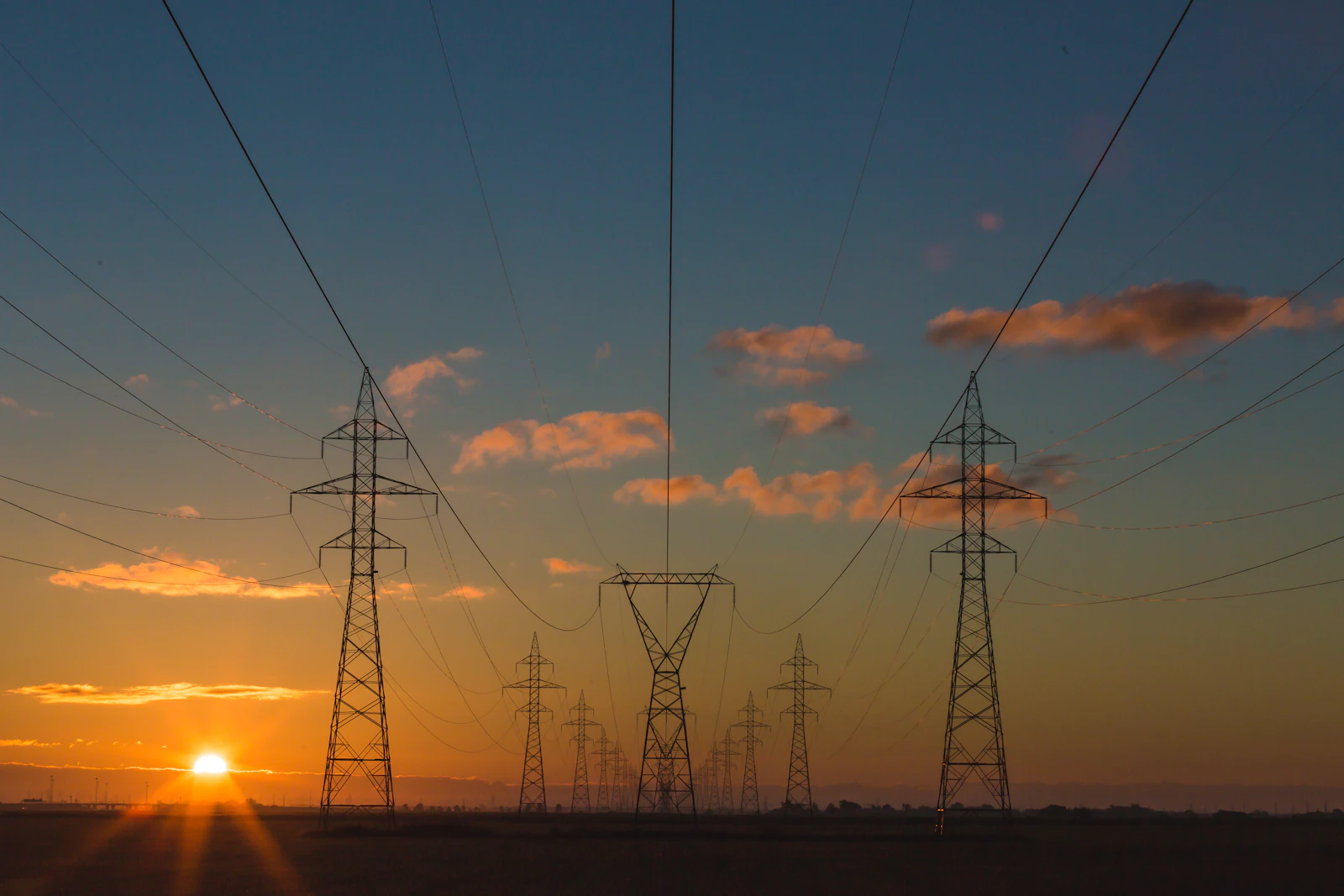
A hybrid is worth it when a battery or backup is part of the project. It is a weak buy for ordinary solar on a reliable grid.

Will I Save Power if I Switch Off the Hybrid Inverter When Not Using?
You save only the standby watts in the manual, times the hours it is off. You also stop monitoring, battery care, and backup.
Can a Hybrid Inverter Work with Solar Panels Only?
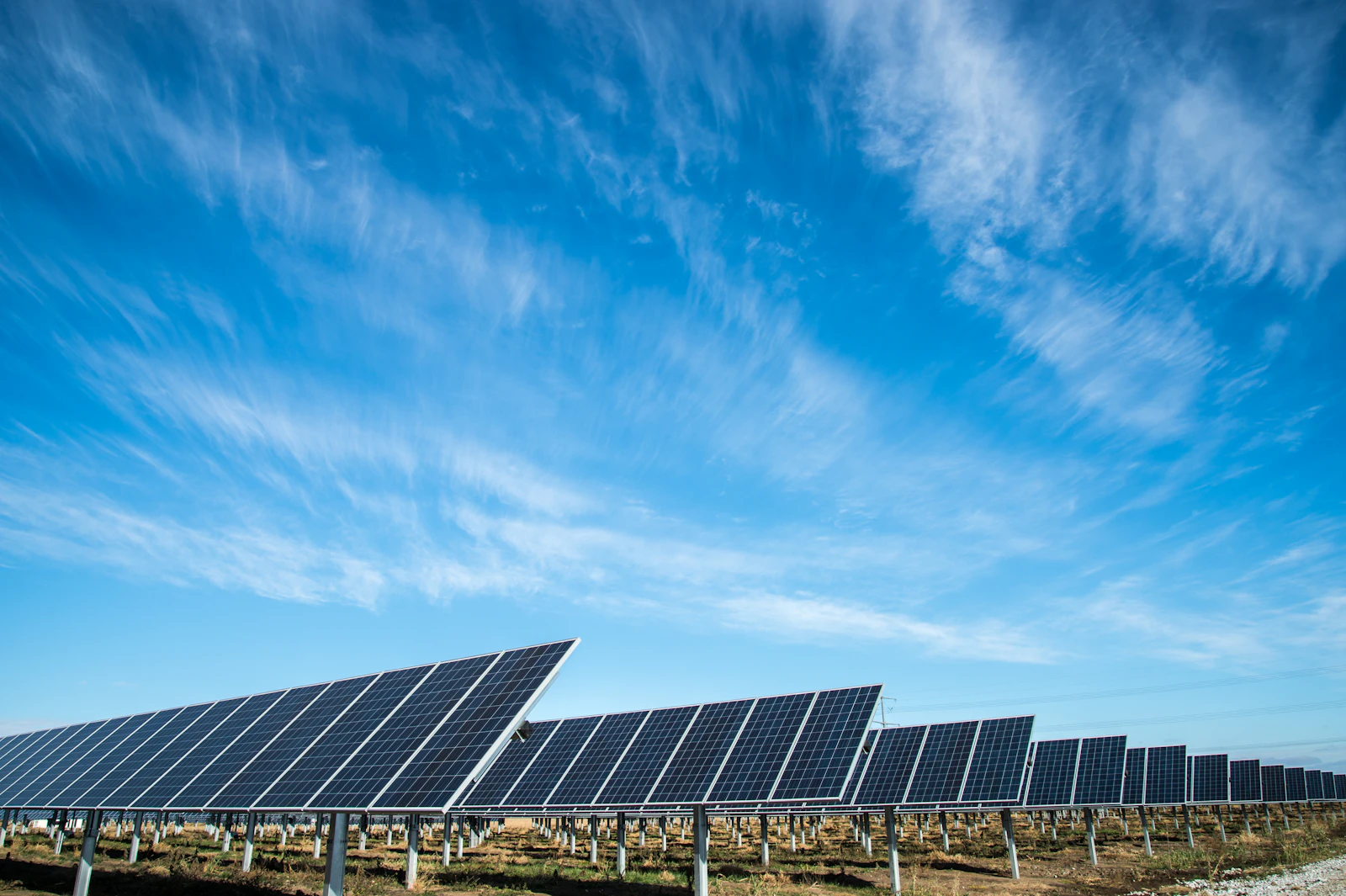
Only if that model has a no-battery mode. Without a battery, a hybrid usually cannot keep the house on when the grid fails.
Commercial Energy Storage in Real Grids: Why System Fit Wins
A commercial battery pays when its power, hours, and controls match the tariff, the transformer, and the protection rules.

How To Size a Hybrid Solar Inverter?
Size a hybrid from simultaneous watts, surge seconds, battery current, and the solar voltage window. Daily energy sizes the battery.
3KW vs 5KW Solar Hybrid Inverter: How To Choose?
Choose 5 kW when the loads you run together exceed 3 kW. Stay at 3 kW when they fit and you will stagger the heavy appliances.
Best Solar Inverter in Nigeria 2026/2027
There is no single best inverter for Nigeria. Size the simultaneous load, then compare price per kVA and whether you can replace the unit in your city.
What is C&I Energy Storage?
C&I energy storage is a battery on a business or factory meter. It is defined by the tariff and the interconnection, not by a minimum cabinet size.

How Much Does Commercial Energy Storage Cost?
A commercial storage price is the installed project, not the cell price. Duration, power, and exclusions move the number more than the chemistry does.
How Does a PV+ESS+EV Charging Station Work?
Panels, a stationary battery and the grid meet on one switchboard. The EV charger is a load on that board. It does not follow the sun unless a separate controller says so.
Are LFP Batteries Good for a House Solar System?
LFP is the right house-solar battery when you will cycle it through the year. It is a weak buy for rare backup, paid export, or charging below freezing.
Microinverter Complete Guide: Everything You Need to Know
Choose a microinverter by channel count, DC voltage, input current and the local grid certificate. Efficiency comes after the module and the grid both fit.
What Size Solar Balcony System Do You Need for a House?
Size a balcony solar system to the daytime base load and the local plug-in cap. In Germany that is 800 VA at the inverter, and one module is often enough.
How to Pick the Right PV Inverter? A Guide to Residential, Commercial, and Utility Options
Pick a PV inverter from the project. A house, a commercial building, and a utility plant do not use the same machine, even when the kilowatt number looks similar.
5 Tips for Choosing the Right Solar Module Connector
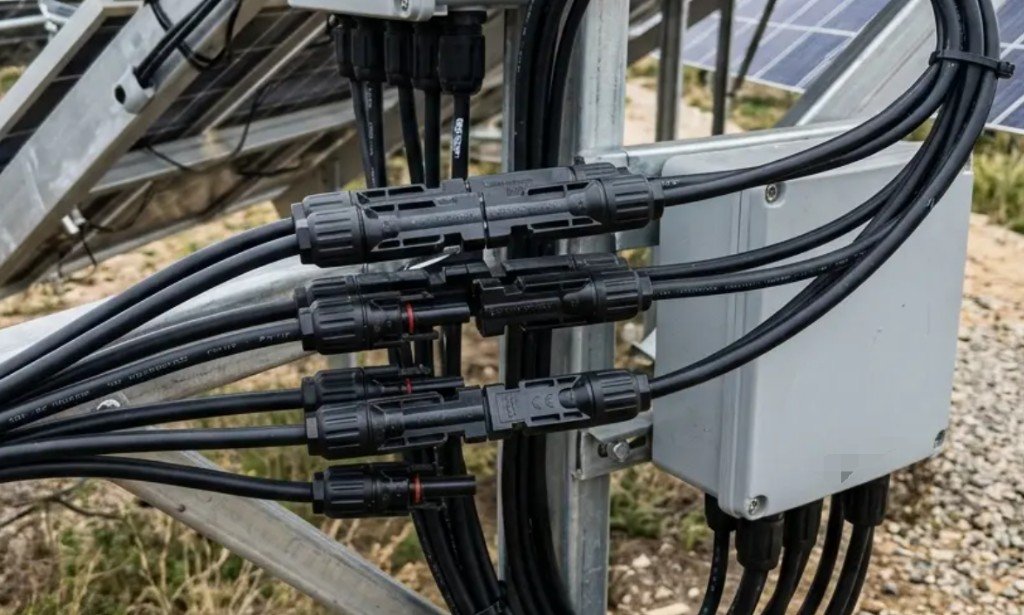
Choose a solar module connector by voltage, string current, the joint it serves, the cable it must grip, and a certificate that names the model.
Top Connectors for Solar Panels in 2026 and 2027: How to Choose
In 2026 the solar panel connectors in use are MC4-style, Helios H4, and SolarLok. Choose by the module lead, the voltage class, and the cable size.
Do Solar Panels Work on a Cloudy Day?
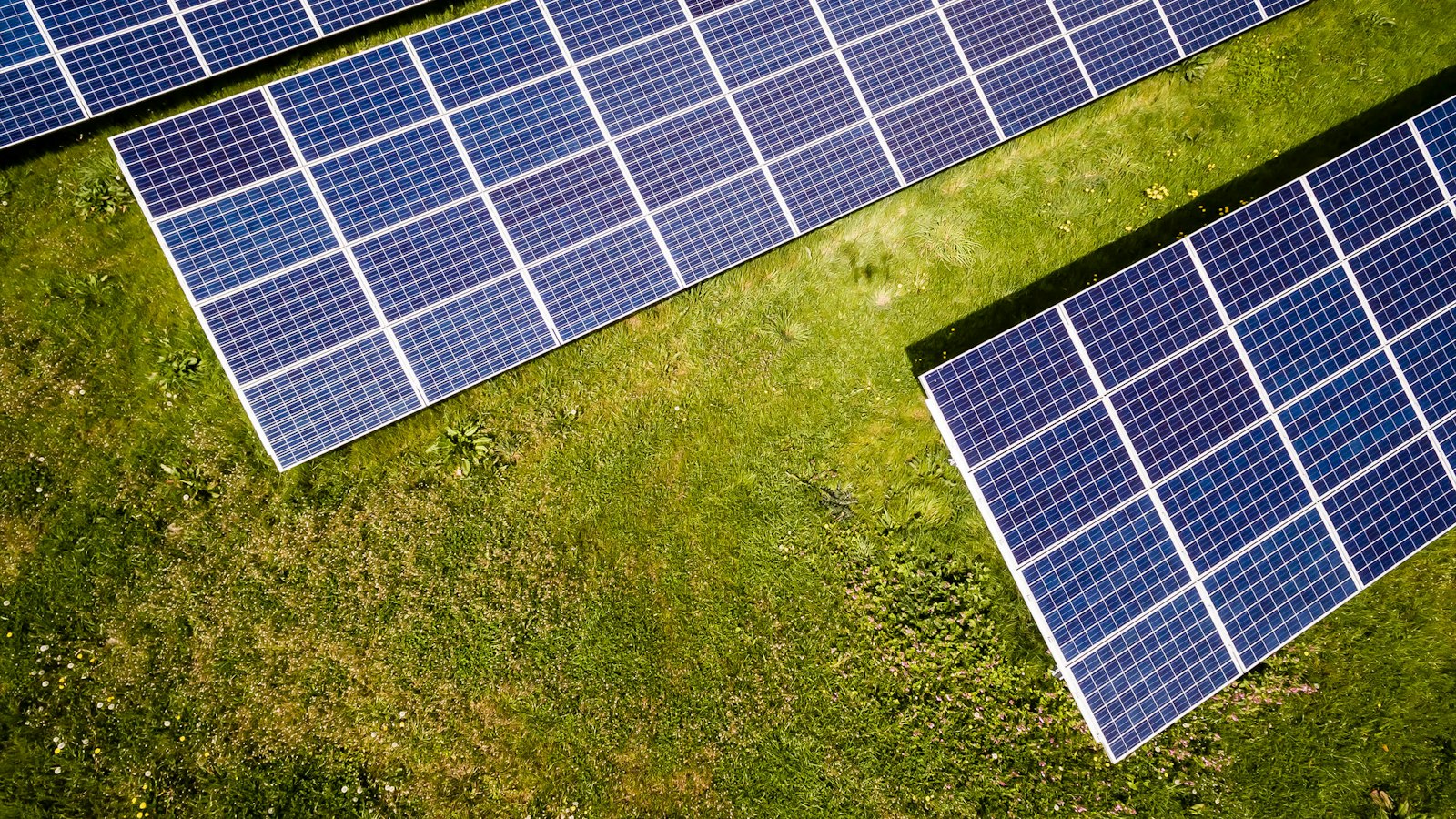
Solar panels on a cloudy day still produce from diffuse light. Output falls with irradiance. There is no single percent of nameplate, and cloud is not shade.