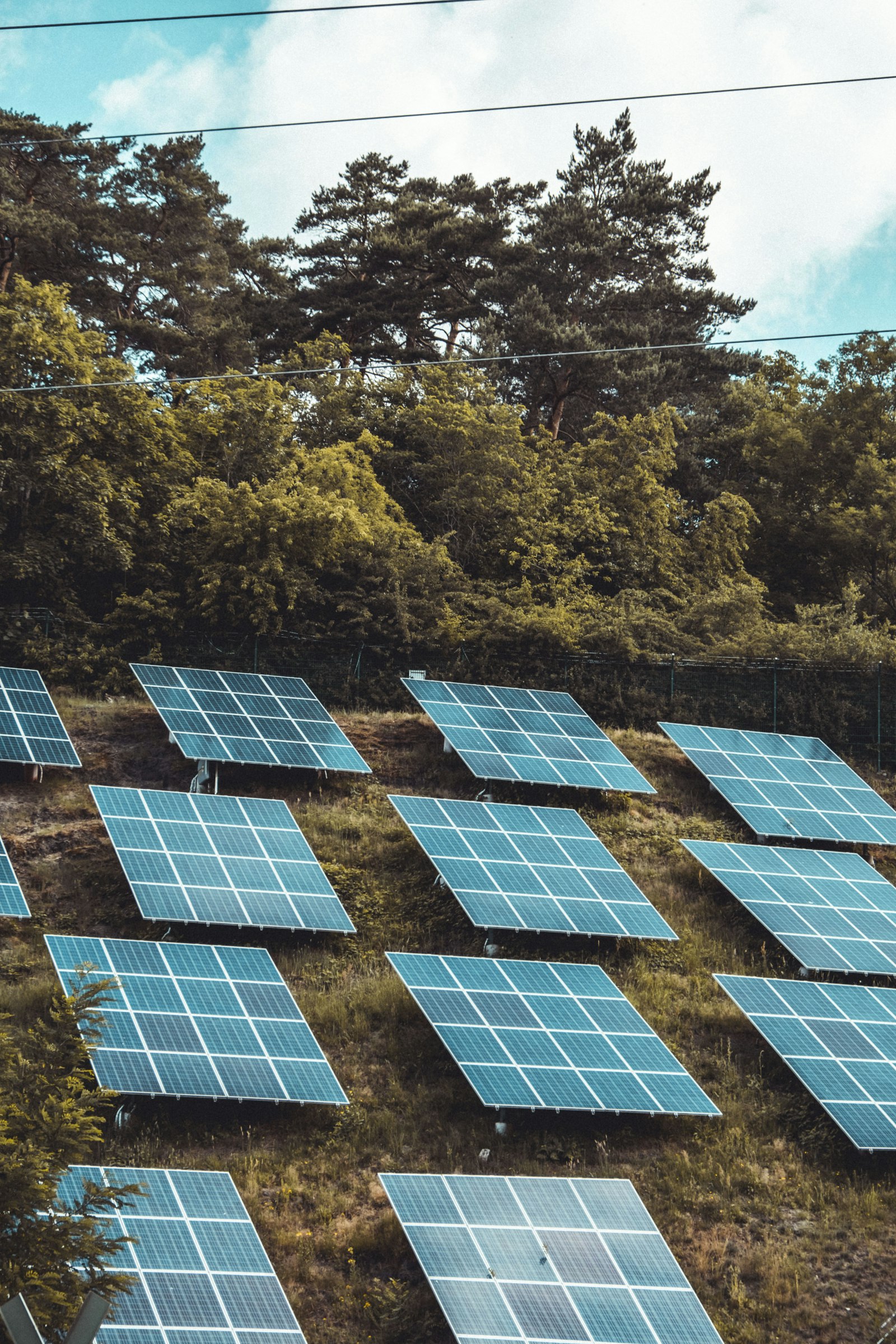
East and West Solar Roofs: Keep Them Off One String
East and west faces need their own series strings. Separate MPPT inputs or module-level electronics keep each face at its own operating point.

What a Solar Production Estimate Needs Before You Trust It
A production estimate is ready to use when tilt, azimuth, shade, losses, and the weather file match this roof. A missing month is a gap, not a rounding error.
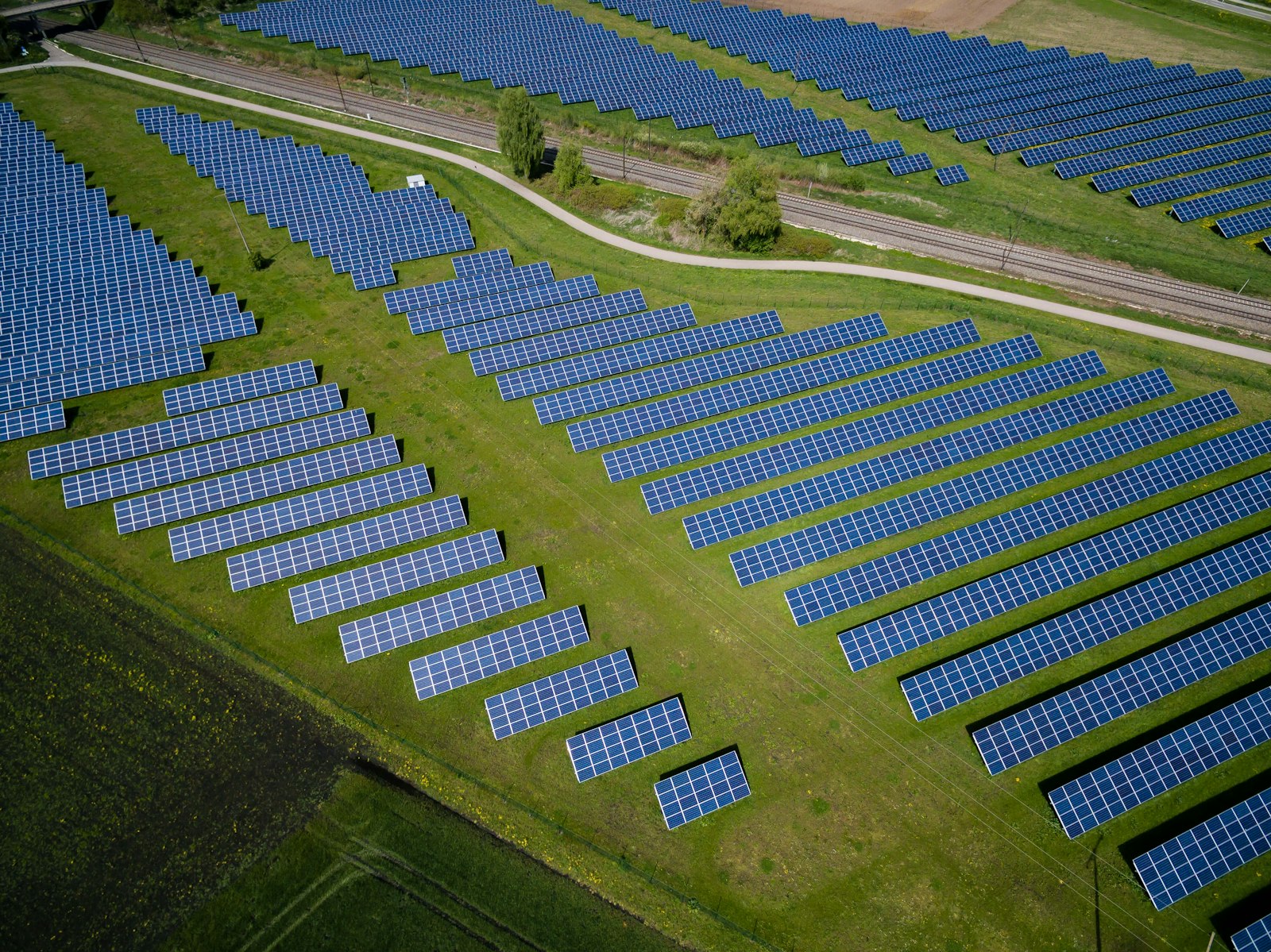
What a Demand Charge Does to a Commercial Solar Bill
A demand charge bills the highest short power draw, apart from energy. A battery meant to cut that peak is sized in kilowatts and in hours.

Solar Without Your Own Roof: What Is Still Possible
Without a roof you control, choose a balcony product only where that use is legal, a community-solar bill credit, or a landlord's written yes. Another country's rule is not yours.
Ventilating a Battery Room: Flooded Banks and Sealed Packs
Flooded lead-acid can release hydrogen on charge, so the room needs a path for the gas. Sealed LFP skips that ritual and still must stay inside the temperatures on its sheet.
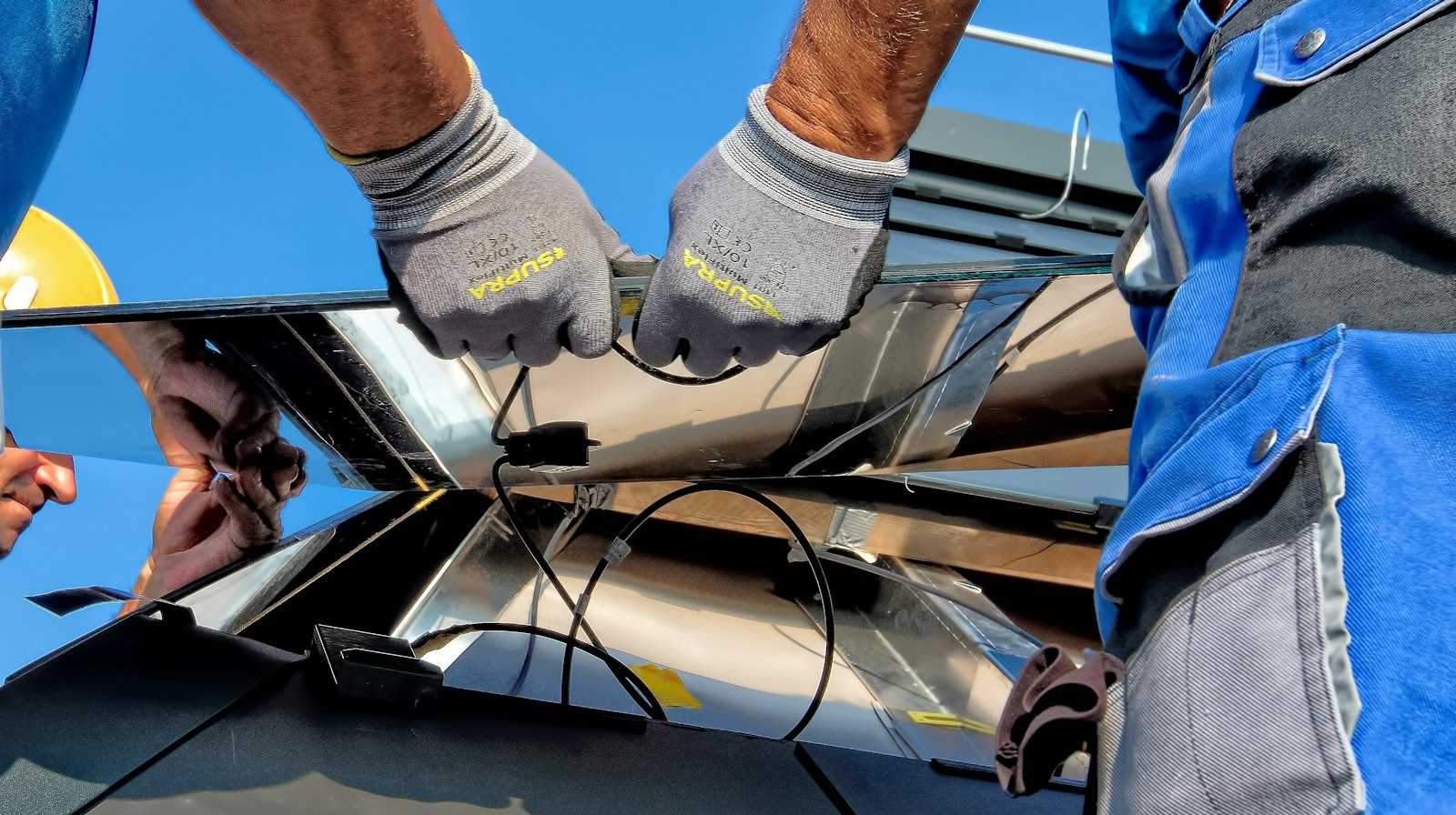
Where to Mount a Solar Inverter So It Can Be Served
Mount the inverter out of direct sun, with air around the heatsink, where the noise is tolerable, and where a qualified person can see the disconnects. Skip a sealed closet.
Voltage Drop Between a Battery and an Inverter
Drop on the cables between a battery and an inverter grows with current and with length. For the same power, 48 V draws half the current of 24 V. The manual chart sets the run.
PV Wire Versus Ordinary Cable: Why the Jacket Matters
PV wire carries sunlight, heat, wet-service, and voltage markings for an array. Building cable of a similar copper size is still building cable until the jacket says otherwise.
When a Bypass Diode Fails: What the String Does Next
An open bypass diode forces current through a weak group of cells. A shorted diode holds that group out of the string. Diode replacement stays with the manufacturer procedure.
Glass-Glass or Glass-Backsheet: What the Back of the Module Does
A second sheet of glass and a polymer backsheet differ in weight, in how the rear weathers, and in whether rear light can reach the cells. Longer life is a record, not a slogan.
What Half-Cut Solar Cells Change Inside a Module
Half-cut cells split a module into lower-current paths, often two groups. Shade held to one group can leave the other group producing. This page states no energy percent.
What Is a Hot Spot on a Solar Panel, and Who May Test for It
Shade, a crack, or a bypass path that did not conduct can force one cell to dissipate power as heat. A qualified person tests that. Leave the junction box closed.
Cycle Life and Calendar Life: Two Clocks on One Battery
Cycles and years age a battery on different clocks. A warranty cycle count is a promise at a stated depth. One lab cell does not become the life of the pack.
What C-Rate Means on a Solar Battery Datasheet
1C is the current that would empty the nameplate amp-hour figure in one hour. Halving it is arithmetic. Whether the battery may do that is a line on its datasheet.
What an Export Limit Does to a Solar System
An export limit holds surplus solar at the property line. Loads inside the building can keep using that solar. The limit will not carry the house through an outage.
What an IP Rating Means on a Solar Inverter Enclosure
Read an IP code as solids, then water. IP65 is dust-tight and rated for water jets. Finish the glands and the lid as the manual shows, or the test no longer describes the box.
When Solar Inverters Run in Parallel: What Has to Match
Parallel inverters need the same AC voltage, a scheme the manufacturer lists, and a communication path. A shared battery is allowed only when both manuals agree.
Common Three-Phase Inverter Problems That Are Really the Service
Phase loss, a service the nameplate omits, and too much load on one phase are common three-phase faults. A 230 V listing does not become 120/240 V.