- Start with the surface, not with the catalog
- Sun and shade decide the energy, after the surface can hold the array
- The electrical landing is a site constraint
- A siting order that survives a sales visit
- Frequently asked questions
- Is a roof always the right place for a distributed system?
- Can any sunny patch be used if the modules fit?
- Does distributed generation have to be small?
- Sources and references
A distributed solar power system can be installed where three things are true at once: the structure or the ground can carry the array, the sun actually reaches it for enough of the year, and the wires have a legal place to land. Size is not the test. A one-megawatt roof can still be distributed generation if it serves a customer or the distribution network. A few modules on a shade-soaked dormer can be a poor installation even though they are small. Pacific Northwest National Laboratory’s description of where photovoltaic arrays actually sit is the practical list: on the ground, on a parking canopy, or on a roof. Each one changes access, structure, and what maintenance will cost.
This is a siting article. The policy categories used in one country’s distributed-generation notices, including which plants count as being “on site,” are a different discussion and are already set out in distributed photovoltaic scenarios. Do not mix a planning label with a structural one.
Start with the surface, not with the catalog
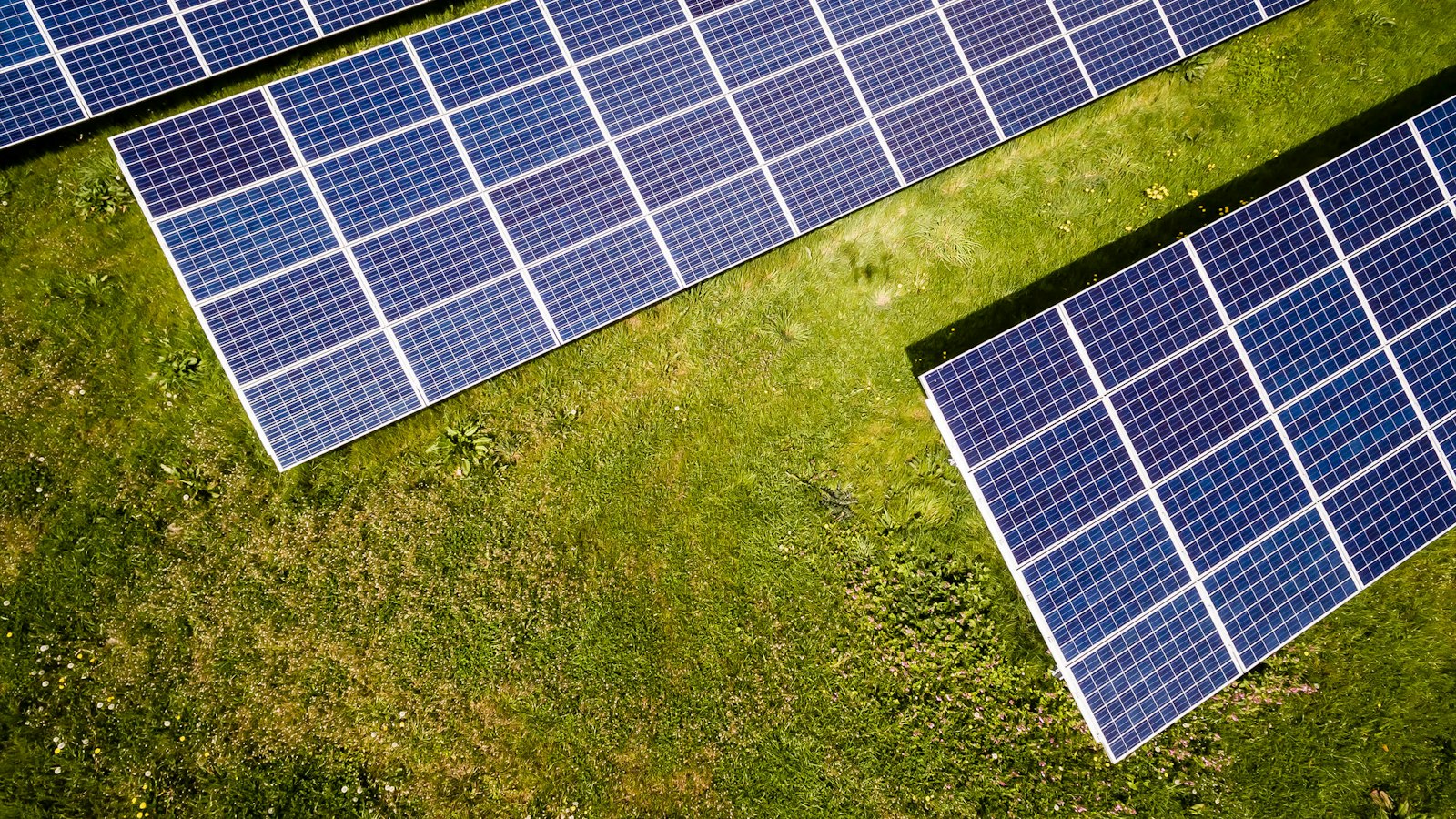
PNNL’s mounting notes are blunt about access. Ground-mounted arrays are typically the easiest to maintain. They use either foundations below grade or ballasts above it, and they can be fixed or can track. Tracking adds a mechanism that then has its own maintenance. A ground site still needs a check for erosion, vegetation, and flooding. An easy walk to the inverter is not a reason to ignore a seasonal wash or a soft soil.
Roofs are usually smaller, because the area runs out and because the structure has to take the load. PNNL says rooftop mounts are typically fixed, either anchored into the structure or held with ballast. Penetrations have to stay weatherproof. A visual check of those penetrations is on the laboratory’s inspection list for a reason: a leak is an installation failure even when the inverter is perfect. If the roof cannot be reached safely, the maintenance cost moves, and a system that looked cheap on a quote becomes expensive the first time someone needs a lift.
Parking canopies are the third ordinary location on that page, chosen because they use land that is already a car park. They are typically fixed. They are not a free roof. Structure, clearance, drainage, and fire access are the design, which is why a canopy is its own project rather than “panels, but over cars.” The advantages and the extra steel are discussed in what a PV carport actually adds.
Sun and shade decide the energy, after the surface can hold the array
A legal roof with a north-facing slope in the northern hemisphere, or a roof under a tree line that will be taller in ten years, can pass a structural check and fail as a power plant. The US Department of Agriculture’s solar-pump note makes the same point for a small array: look at slope, aspect, and future shade from tree growth, and put the array close to the load so the wire loss stays small. That note is about water pumping, but the geometry is not special to pumps. Shade that moves across a string pulls the whole string down if those modules share one tracker. More trackers, or module-level electronics, are a response to a roof that cannot be one orientation. They do not manufacture sun on a face that never sees it.
Soiling is a siting issue as well as a washing issue. PNNL calls it the largest operations problem and says it is often hard to see. A low-tilt array in a dry, dusty place may need washing every month in summer. A steeper array in a rainy climate may never need it. If you are choosing between two roofs, the dirty one with no water and no access is the expensive one, even before the inverter is selected. Summer-specific checks are in maintaining solar panels in summer.
The electrical landing is a site constraint
PNNL distinguishes a small array, under about 50 kilowatts in that description, which may land on a building service panel, from a larger array that needs a transformer to reach grid voltage. The example they give of a step-up, from 480 volts to 15 kilovolts, is an illustration of “larger,” not a rule that every commercial system uses 15 kilovolts. The point to copy is the question: where does this system interconnect, at what voltage, and is there capacity. A roof that can hold the modules and a service that cannot take the export is not yet a site.
Inverters can sit outdoors by the array or indoors in an electrical room. Outdoor equipment needs the enclosure rating the manual states. Indoor equipment needs the heat rejection the room can provide. The Sandia and NREL thermal study found inverter component temperatures following both the electrical load and the local wind. A closet with no air path is a siting decision. It will show up later as derating, not as a mystery fault.
Distributed does not mean off-grid. A grid-tied inverter is required to stop energizing a separated line. Under IEEE 1547-2018 that cease-to-energize limit is 2 seconds, as the NREL primer describes it. If the goal of the installation is power during a utility outage, the site needs equipment that can island on purpose, for selected circuits, which ordinary grid-tied solar does not do. Putting the array “where the sun is” does not create that function.
A siting order that survives a sales visit
Confirm the structure or the soil, including penetrations, ballast, and safe access. Confirm sun, including the shade that will exist when trees and neighbors grow, and whether unlike orientations will share a tracker. Confirm the interconnection: panel, transformer, export limit, and where the inverter will live. Then confirm who can shut it down. PNNL wants the AC and DC disconnects within sight of the inverter and the instructions posted. A beautiful azimuth with no disconnect path is not a finished location.
Water, a landfill edge, or a reservoir is sometimes proposed next, because the land is already spoken for. Floating arrays have their own constraints, currents and ice among them, and they are not a default just because a roof was refused. That choice is separate from a rooftop or a yard.
Frequently asked questions
Is a roof always the right place for a distributed system?
No. PNNL lists ground, carport, and roof as the ordinary locations, and notes that roofs are often limited by area and structure and can cost more to maintain when access is poor. Use the surface that can carry the load and still be reached.
Can any sunny patch be used if the modules fit?
Only if the structure, the shade over the life of the array, and the interconnection all work. USDA’s siting note for small arrays adds future tree shade and wire length. A full roof in permanent shade is not a site.
Does distributed generation have to be small?
No. The size limit is not what makes a system distributed. A large roof can be distributed and a poor small roof can still be the wrong place. Interconnection voltage, in PNNL’s description, is what changes as the array gets larger, not the label.
Sources and references
Ground, roof, and carport mounting, the roughly-under-50-kilowatt service connection, disconnects, and soiling: Pacific Northwest National Laboratory, solar photovoltaic O&M. Shade, aspect, and keeping the array near the load: USDA NRCS Technical Note 28, October 2010. Inverter temperature and wind: Thermal study of inverter components. Cease-to-energize behavior of grid-tied units: NREL/Sandia IEEE 1547-2018 primer, 2022.
